Overview of Anxiety Symptoms
Defining Anxiety and Its Importance
Anxiety is more than just a feeling of unease; it is a complex emotional response that can manifest in various ways. It is characterized by persistent worry, fear, and apprehension that can affect daily life. It is essential to recognize anxiety symptoms because they can influence not only individual behaviors but also relationships, work performance, and overall quality of life. Understanding anxiety enables us to address it more effectively, seek help when necessary, and develop coping strategies.
Common Physical Anxiety Symptoms
Physical symptoms of anxiety can often be debilitating. They may include:
- Increased Heart Rate: This symptom manifests as a racing heart, often mistaken for a panic attack.
- Sweating: Sweating excessively, even in cool conditions, can indicate high anxiety levels.
- Trembling or Shaking: This involuntary response can occur in stressful situations.
- Shortness of Breath: Feeling like you can’t catch your breath is common during anxiety episodes.
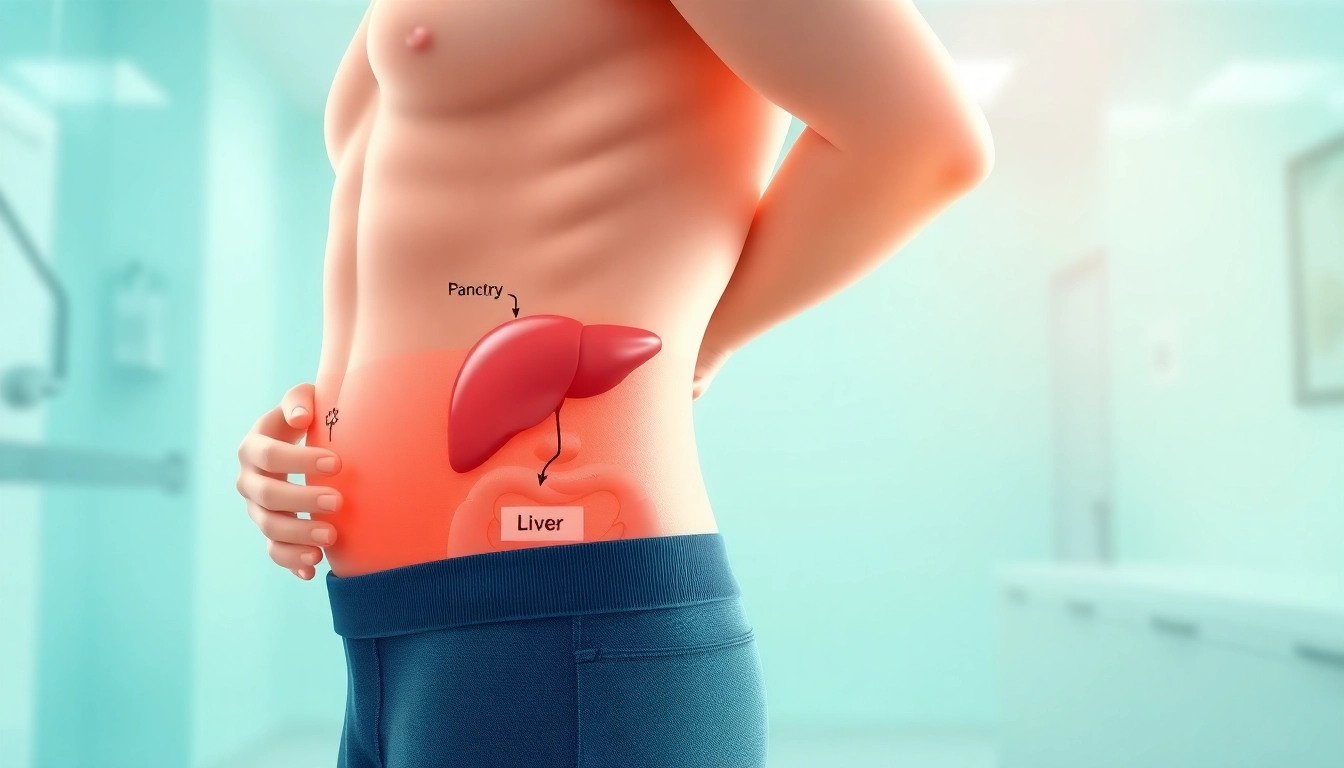
- Nausea or Upset Stomach: Anxiety can lead to digestive issues, making one feel physically unwell.
Recognizing these physical manifestations is vital, as they often lead individuals to misunderstand their emotional state.
Mental Effects of Anxiety Symptoms
Mental symptoms can greatly impede an individual’s cognitive function. These symptoms include:
- Excessive Worrying: A persistent feeling of dread about various aspects of life.
- Difficulty Concentrating: An inability to focus on tasks, leading to reduced productivity.
- Feelings of Dread: An overwhelming sense that something bad may happen, often without any actual threat.
- Social Withdrawal: Avoiding social situations that could provoke anxiety.
- Memory Problems: Difficulty recalling information during heightened anxiety periods.
These mental effects not only impact personal well-being but can also strain relationships and job performance.
Identifying Anxiety Symptoms
Self-Assessment Techniques
Self-assessment is a critical step in recognizing anxiety. Techniques can include keeping a journal to track feelings, thoughts, and physical reactions to different situations. Another method is the Anxiety Self-Test (AST), providing insight into one’s anxiety levels. Self-awareness helps individuals differentiate between normal stress and clinical anxiety that might require professional intervention.
When to Seek Professional Help
Determining when to seek professional assistance is essential. Seek help if:
- Anxiety interferes with daily activities.
- Physical symptoms become overwhelming or unmanageable.
- There are signs of depression.
- You experience suicidal thoughts or behaviors.
Early intervention can enhance treatment outcomes and generally improve life quality.
Common Misconceptions About Anxiety Symptoms
Misperceptions about anxiety can lead to stigma and hinder recovery. Common misconceptions include:
- It’s Just Stress: While stress can trigger anxiety, they are not the same. Anxiety can persist without identifiable stressors.
- It’s All in Your Head: Anxiety is a real medical condition that affects both mental and physical health.
- People with Anxiety are Weak: Anxiety is not a sign of weakness but rather a challenge that many face.
By dismantling these myths, individuals can foster a more supportive environment for those affected by anxiety.
Coping Mechanisms for Anxiety Symptoms
Behavioral Techniques to Manage Anxiety Symptoms
Behavioral techniques are effective in mitigating anxiety symptoms. Popular methods include:
- Cognitive Behavioral Therapy (CBT): A structured program that helps individuals change negative thought patterns.
- Exposure Therapy: Gradually facing fear-inducing situations to lessen anxiety over time.
- Breathing Techniques: Deep breathing exercises can induce relaxation and reduce panic symptoms.
Implementing these techniques regularly can greatly improve one’s ability to cope with anxiety.
Mindfulness and Relaxation Practices
Mindfulness practices focus on present-moment awareness and can significantly decrease anxiety levels. Techniques include:
- Meditation: Engaging in mindfulness meditation can calm the mind.
- Yoga: This combines physical movement with breathing techniques, promoting relaxation.
- Progressive Muscle Relaxation: Tension and relaxation exercises can help reduce physical symptoms of anxiety.
These practices foster a sense of calm and can mitigate the effects of anxiety over time.
Support Systems and Their Role
A solid support system is vital in managing anxiety symptoms. Support may come from:
- Family and Friends: Their understanding provides emotional backing during tough times.
- Support Groups: Sharing experiences with others facing similar challenges can offer comfort and reduce isolation.
- Professional Counselors: Guidance from trained professionals can identify effective strategies for coping.
Cultivating a network of support can help individuals feel less burdened and more understood.
Long-Term Strategies for Reducing Anxiety Symptoms
Healthy Lifestyle Changes
Making lifestyle changes can have a profound effect on reducing anxiety symptoms. Consider:
- Regular Exercise: Physical activity is proven to boost mood and lower stress levels.
- A Balanced Diet: Eating a nutritious diet contributes to overall well-being, influencing mental health.
- Sleep Hygiene: Maintaining a regular sleep schedule can help the body and mind recover and rejuvenate.
Embracing these changes encourages a healthier relationship with oneself and with anxiety.
Therapeutic Options Available
Various therapeutic options are available for those struggling with anxiety. Options may include:
- Talk Therapy: Engaging in therapy allows individuals to explore feelings in a safe environment.
- Medication: Antidepressants or anti-anxiety medications can be effective for some individuals.
- Holistic Therapies: Approaches such as acupuncture, aromatherapy, and herbal treatments may provide relief.
Individuals should consult healthcare providers to determine the best options for their needs.
Continued Self-Care and Monitoring
Regular self-care can help maintain mental health over time. Strategies include:
- Journaling: Documenting experiences and emotions fosters awareness and insight.
- Setting Boundaries: Learning to say no can alleviate overwhelming situations.
- Regular Check-Ins: Periodically assessing anxiety levels allows for proactive management.
Being vigilant about one’s mental health promotes a balanced approach to managing anxiety symptoms.
Real-Life Stories and Case Studies
Personal Experiences with Anxiety Symptoms
Many individuals share similar experiences with anxiety. For example, one individual recounts how anxiety affected their college life, resulting in missed classes and social gatherings. Recognizing these symptoms early helped them seek support.
Success Stories of Overcoming Anxiety Symptoms
Stories of individuals overcoming anxiety are inspiring. One story details how a combination of therapy, medication, and lifestyle changes led to significant improvement. Their journey of resilience is a powerful reminder that recovery is possible.
Lessons Learned from Case Studies
Various case studies illustrate successful management of anxiety symptoms. Key lessons include the importance of seeking help early, employing coping strategies, and the need for ongoing support. These stories underscore that while anxiety can feel isolating, support and effective strategies can make recovery achievable.
Frequently Asked Questions
What are the early signs of anxiety symptoms?
Early signs of anxiety symptoms include restlessness, excessive worry, difficulty concentrating, and physical symptoms like rapid heartbeat or sweating.
Can anxiety symptoms vary from person to person?
Yes, anxiety symptoms can manifest differently across individuals, influenced by genetics, environment, and personal experiences.
Are there natural remedies for managing anxiety symptoms?
Yes, natural remedies include herbal supplements, yoga, meditation, and dietary changes, which can complement other treatments.
How long does it take to see improvement in anxiety symptoms?
The timeline for improvement varies. Some may notice changes within weeks, while others may take months, depending on the treatment approach.
Is it common to experience anxiety symptoms without a specific trigger?
Yes, it is common for individuals to experience anxiety symptoms without identifiable triggers, often referred to as generalized anxiety disorder.