Education plays a vital role in shaping individuals and society at large. It acts as the foundation for a knowledgeable, informed, and engaged citizenry. At its core, Education refers to the systematic process through which societies transfer knowledge, skills, and cultural values across generations. This comprehensive guide will delve deeply into various facets of education, covering its foundations, contemporary trends, ways to improve educational outcomes, envisioning the future of education, and providing valuable resources for both educators and students.
Understanding the Foundations of Education
The Importance of Education in Society
Education is often called the great equalizer in society. It empowers individuals by providing opportunities for personal and professional growth. Access to quality education can uplift entire communities, leading to economic growth, improved health outcomes, and social stability. Educated individuals are more likely to participate in civic activities, volunteer, and contribute to the well-being of their neighborhoods.
Moreover, education fosters critical thinking, which is essential in navigating complex personal and societal challenges. It enables individuals to question existing norms, support innovative solutions, and advocate for necessary changes. By developing a knowledgeable populace, education underpins democratic governance and social harmony. Thus, the importance of education extends beyond individual success; it is fundamental to societal prosperity.
Historical Developments in Education
The evolution of education can be traced back to ancient civilizations. Initially, education was informal and relied on oral traditions and apprenticeships. Over time, structured forms of education emerged; for instance, the ancient Greeks developed philosophies around pedagogical methods, while the Romans introduced formal schooling systems. The establishment of universities in the Middle Ages marked significant milestones in educational history, as they became centers for scholarly discourse and research.
The Enlightenment period further revolutionized education by promoting reason, science, and individualism. This paved the way for modern education systems characterized by compulsory schooling, standardized curricula, and qualifications. The late 19th and early 20th centuries saw the introduction of progressive education movements that emphasized experiential learning, critical thinking, and a more holistic approach to student development.
Education Models Around the World
Education is not a one-size-fits-all approach; various models exist worldwide, each with unique philosophies and structures. One prominent model is the Montessori method, which encourages self-directed learning, where students choose their activities based on interests. In contrast, the Finnish educational model is known for its student-centered focus and minimal standardized testing, promoting well-rounded development over rote memorization.
Bilingual education programs aim to support students in multilingual settings, promoting proficiency in both their native language and a second language. Additionally, vocational education and training (VET) systems emphasize skills development and prepare students for specific careers, responding directly to labor market demands. These diverse educational models reflect the various societal and cultural contexts within which they operate, demonstrating that flexibility and adaptability are crucial in education.
Current Trends in Education
Integrating Technology in Education
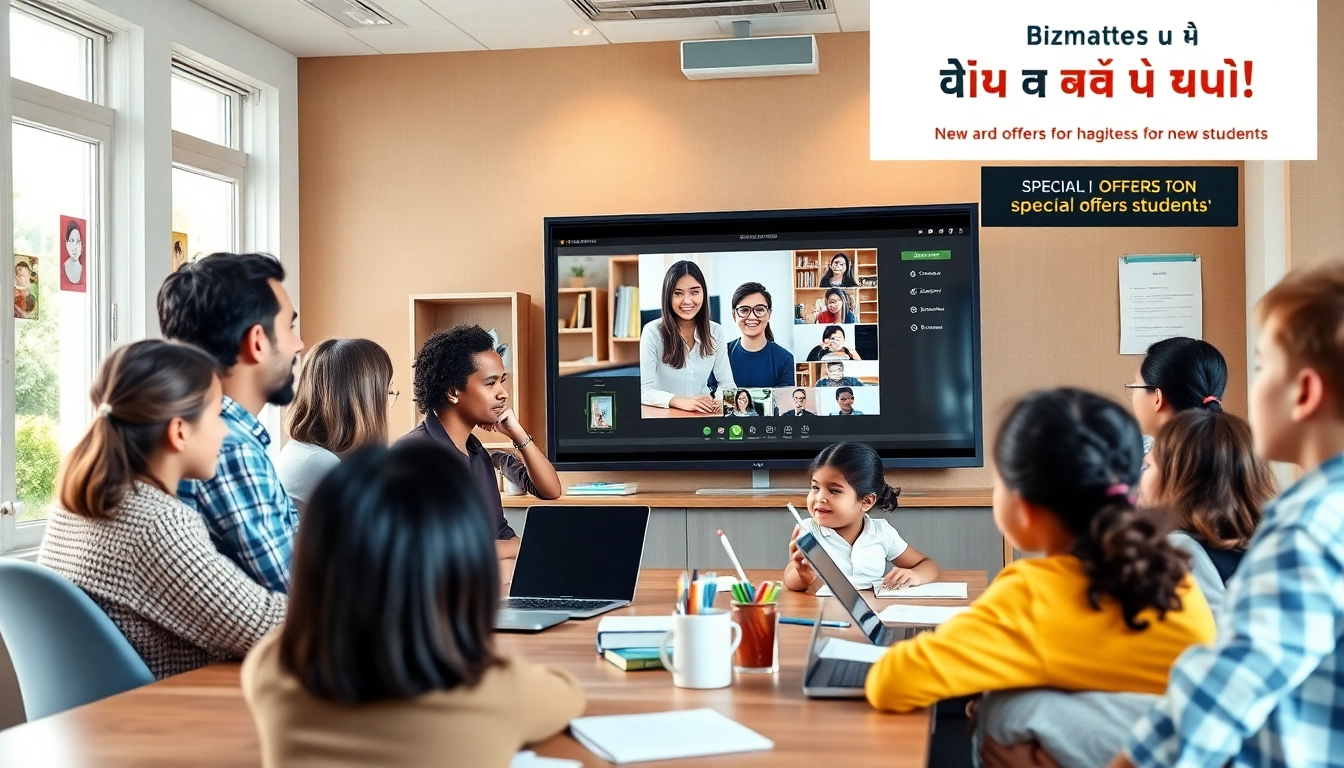
The digital age has profoundly transformed education. The integration of technology into classrooms has reshaped teaching and learning processes, making them more dynamic and accessible. Tools such as interactive whiteboards, Learning Management Systems (LMS), and educational apps enhance classroom engagement and facilitate personalized learning experiences tailored to individual student needs.
Moreover, the rise of online education platforms has democratized access to learning resources, allowing students from diverse backgrounds to acquire knowledge and skills without geographical limitations. Virtual classrooms enable synchronous and asynchronous learning, fostering collaborative opportunities among remote participants. However, the challenge remains to ensure equitable access to technology, as the digital divide can exacerbate existing educational inequalities.
Inclusive Education Practices
Inclusivity in education aims to provide equitable learning opportunities to all individuals, regardless of their backgrounds or abilities. Inclusive education practices are designed to accommodate diverse learning needs and promote a supportive environment for all students. This encompasses adapted teaching methods, accessible materials, and differentiated assessments that acknowledge each student’s strengths and challenges.
Schools implementing inclusive education also emphasize social-emotional learning, helping students develop empathy, respect, and collaboration skills crucial for building a cohesive, diverse community. Training educators on cultural competency and special education strategies is vital for fostering an inclusive classroom where all learners can thrive.
Challenges and Opportunities in Modern Classrooms
Modern classrooms face numerous challenges, including maintaining student engagement, addressing varying learning styles, and navigating educational policy changes. Understanding these challenges presents opportunities for innovation and growth. Educators are increasingly adopting project-based learning and gamification strategies to foster enthusiasm and relevance among students.
Furthermore, professional development is crucial in addressing the changing landscape of education. Teachers need continuous opportunities to refine their skills and remain updated on best practices in pedagogy, technology integration, and cultural awareness. Schools that prioritize adaptive leadership and professional learning communities can cultivate a culture of shared responsibility for student success.
Improving Educational Outcomes
Effective Teaching Strategies for Diverse Learners
To improve educational outcomes, effective teaching strategies must be employed, particularly in diverse classrooms. Strategies such as differentiated instruction allow educators to tailor their methods and curricula to meet various student needs. This approach considers students’ readiness levels, interests, and learning profiles, fostering an inclusive and engaging learning environment.
Additionally, formative assessment techniques help educators monitor student progress and adjust teaching methods accordingly. Gathering feedback through quizzes, discussions, and reflections enables teachers to identify areas for improvement and provide targeted support, thereby enhancing overall educational performance.
Assessing Student Performance and Progress
Assessment is a critical component of the educational process, providing insights into student understanding and informing instruction. Various assessment types—formative, summative, and diagnostic—offer different perspectives on learner progress. While formative assessments inform ongoing instruction, summative assessments evaluate overall learning at specific points in time.
To ensure assessments are meaningful, they should align with learning objectives and reflect real-world applications of knowledge. Emphasizing authentic assessment methods, such as portfolios and presentations, can provide a comprehensive view of student capabilities, encouraging deeper learning and skill application.
Parental Involvement in Education
The role of parents in their children’s education is crucial for academic success. Research consistently shows that active parental involvement correlates with improved student outcomes. Parents can support their children’s learning through various means, including participating in school activities, assisting with homework, and maintaining open communication with teachers.
Schools can facilitate parental involvement by providing resources and training to help parents understand the educational system and engage effectively. Fostering strong partnerships between educators and families creates a supportive network that ultimately benefits students’ educational experiences and outcomes.
Future of Education
Innovations Shaping Education Methods
The future of education is brimming with possibilities driven by innovative practices and technologies. Blended learning, which combines traditional classroom instruction with online learning components, is gaining traction for its flexibility and efficacy. This model allows students to self-pace their learning and gain more control over their educational journey.
Furthermore, competency-based education (CBE) emphasizes mastery of skills rather than seat-time requirements. CBE allows learners to progress upon demonstrating an understanding of the subject matter, promoting a more personalized learning experience. These innovations challenge traditional educational norms and encourage the development of future-ready learners.
Education Policy and Reform
Education policy and reform play critical roles in shaping the direction of educational practices. Policymakers are increasingly evaluating existing frameworks to address current challenges, such as funding disparities, teacher shortages, and outdated curricula. Advocates for education reform emphasize the need for equitable access to quality education, diversity in teaching staff, and enhanced support for marginalized student populations.
Collaboration among educators, administrators, policymakers, and communities is crucial for creating sustainable reforms that lead to positive changes in educational settings. Engaging stakeholders in decision-making processes ensures that policies reflect the needs and aspirations of the communities they serve.
Preparing Students for the Global Workforce
The globalized world demands a workforce equipped with a diverse set of skills, including critical thinking, creativity, collaboration, and technological literacy. Educators must shift their focus from merely teaching content to fostering skills that prepare students for the 21st-century job market.
Integrating real-world applications into curricula, cultivating partnerships with industries, and offering experiential learning opportunities, such as internships and mentorships, ensure that students gain relevant experiences and connections that enhance their employability. By aligning education with workforce needs, educators can empower students to contribute meaningfully to society.
Resources for Educators and Students
Online Learning Platforms
Online learning platforms have revolutionized education by making resources more accessible than ever before. Websites offering courses, tutorials, and webinars provide opportunities for both students and educators to expand their knowledge and skills. These platforms cater to various learning preferences and subjects, providing valuable resources for anyone looking to enhance their education journey.
Books and Journals on Education
Books and journals dedicated to education offer vast insights into effective practices, theories, and research findings. Educators and researchers can benefit from well-respected publications, which provide evidence-based strategies for teaching and learning. Keeping abreast of the literature in the field of education is essential for professional growth and development.
Community and Extracurricular Programs
Community organizations and extracurricular programs provide additional support for students outside the classroom. These programs can enhance learning by offering mentorship, enrichment activities, and social-emotional learning opportunities. They foster a sense of belonging and connection among students, which can significantly impact their overall educational experiences and success.