
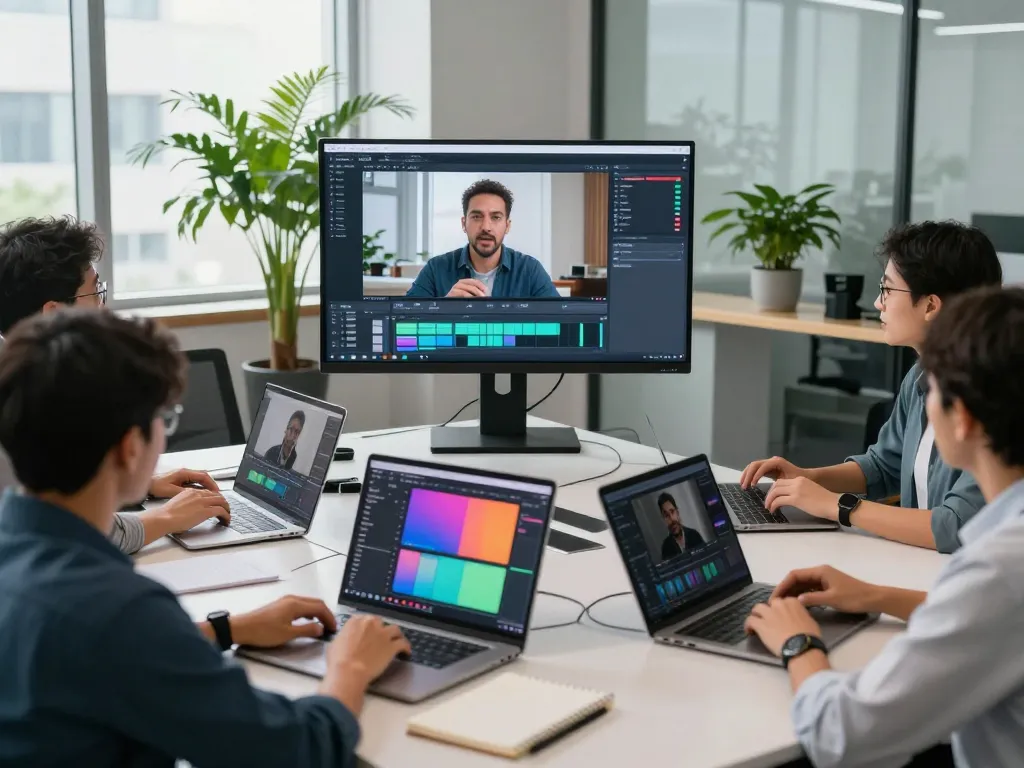
Understanding the Video to Prompt Technology
As digital content creation continues to evolve, the need for efficient tools that streamline production processes has never been more critical. The video to prompt technology stands at the forefront of this transformation. It opens up new avenues for content creators, marketers, and educators by turning raw video footage into structured, actionable prompts that enhance storytelling and facilitate creativity.
What is Video to Prompt?
A Video to Prompt AI generator is an innovative tool designed to convert video content into detailed AI video prompts. This technology analyzes various elements within a video, such as scenes, actions, camera movements, and lighting, and translates them into structured text prompts. These prompts can be directly utilized with AI video generation models like Sora, Veo, and Kling, enabling creators to generate quality video content without extensive manual input.
How AI Enhances Video Prompt Generation
Artificial Intelligence (AI) plays a crucial role in enhancing video prompt generation. Leveraging machine learning algorithms, AI analyzes intricate details within the video, including visual style and narrative structure. This capability allows the AI to produce prompts that not only describe the action but also capture the emotional tone and aesthetic nuances of the video, resulting in more dynamic and engaging content.
Key Features of a Robust Video to Prompt Tool
- Accurate Scene Breakdown: The technology breaks down video content into individual scenes, ensuring that each moment is captured accurately in the resulting prompts.
- Multilingual Support: With the capability to generate prompts in various languages, video to prompt tools can cater to a global audience.
- Interactive Refinement: Users can refine prompts interactively, tailoring the output to specific creative needs or project requirements.
- Fast Processing: Videos are analyzed quickly, with prompts generated in a matter of seconds.
- Robust Security: The platform ensures secure processing of video data, protecting user privacy at every stage.
Why Choose Video to Prompt Over Other Methods?
The Advantages for Content Creators
Content creators face various challenges, including time constraints and the need for high-quality outputs. Utilizing a video to prompt generator significantly streamlines the creative process. It allows creators to focus more on ideation and storytelling while the AI handles the heavy lifting of prompt generation. This efficient workflow is particularly advantageous in fast-paced environments, such as marketing and advertising.
Addressing Common User Pain Points
Many creators struggle with generating engaging content consistently. Traditional methods often involve tedious manual scripting, which can drain creativity and lead to burnout. Video to prompt technology alleviates this issue by automating the prompt generation process, allowing users to produce high-quality content more easily and rapidly. Furthermore, the accuracy of AI-generated prompts reduces the need for extensive revisions, saving both time and resources.
Case Studies: Successes in Various Industries
Across different sectors, the adoption of video to prompt technology has yielded impressive results. For instance, educators have leveraged this tool to enhance teaching materials. By converting educational videos into structured prompts, instructors can better convey complex topics to students, fostering deeper understanding. In marketing, brands have utilized video prompts to generate tailored advertisements quickly, responding to market trends and consumer demands with agility.
Getting Started with Video to Prompt: A Step-by-Step Guide
How to Upload Your Video Efficiently
Getting started with a video to prompt generator is straightforward. Users can easily upload video files in formats such as MP4, MOV, AVI, or WEBM, typically with a size limit of 200MB. This flexibility allows for the inclusion of various video content, from smartphone recordings to professional footage.
Selecting the Right AI Model for Your Needs
Choosing the appropriate AI model is crucial for maximizing the benefits of video to prompt generation. Specialized models, such as the Gemini Video Prompt, are designed for cinematic analysis, ensuring that the results capture the essence of the original video. Users should consider their specific objectives when selecting a model to achieve the best possible outcome.
Interactive Refinement of Video Prompts
After generating initial prompts, creators can interactively refine them to suit their needs. This feature allows for adjustments in tone, style, and content focus, ensuring that the final output aligns perfectly with the creator’s vision. This iterative process not only enhances the quality of prompts but also empowers users to explore different creative avenues.
Best Practices for Maximizing Video to Prompt Output
Techniques for Effective Video Analysis
To achieve optimal results from video to prompt technology, users should engage in thorough video analysis. This involves understanding the key components that the AI takes into account, such as character movements, scene transitions, and background audio. By familiarizing themselves with these elements, users can provide context and enhance the AI’s ability to produce detailed prompts.
Optimizing Your Prompts for AI Generators
When optimizing prompts for AI generators, specificity is essential. The more detailed and directed the prompts, the better the AI can replicate the desired outcome in new video projects. Users should consider incorporating specific instructions about visual elements, lighting conditions, and narrative structure to guide the AI effectively.
Common Mistakes to Avoid When Using AI
While video to prompt technology is powerful, there are common pitfalls to avoid. One major mistake is neglecting to refine prompts post-generation. In many cases, the initial output may not fully capture the desired tone or context. Additionally, failing to consider the target audience when creating prompts can result in content that doesn’t resonate as intended.
Future Trends in Video to Prompt Technology
Emerging Innovations for 2027 and Beyond
As technology continues to advance, the future of video to prompt generation looks promising. Innovations such as deeper integration with virtual reality (VR) and augmented reality (AR) platforms will allow for even more dynamic content creation. This evolution will enable creators to craft immersive experiences that transcend traditional video formats.
The Impact of Multilingual Support on Global Access
The growing demand for multilingual content is transforming the landscape of video production. Video to prompt technology’s ability to generate prompts in multiple languages is a significant advantage. This feature not only opens doors for content creators to reach wider audiences but also enhances accessibility for non-English speakers, fostering inclusivity in digital content.
Predictions for Content Creation in the AI Era
Looking ahead, the role of AI in content creation will undoubtedly expand. We can expect a shift towards collaborative processes where AI assists creators in brainstorming and developing ideas. This partnership could lead to a new era of creativity where human insight and machine efficiency work hand in hand, ultimately shaping the future of video production and storytelling.
What are the benefits of using video to prompt technology?
The primary benefits include faster content creation, enhanced accuracy in portraying scenes, and the ability to generate detailed prompts tailored to various AI video generators. These advantages position video to prompt technology as an indispensable tool for modern content creators.
How can I ensure my video analysis is accurate?
To guarantee accurate video analysis, it is vital to use high-quality video footage and select an appropriate AI model tailored to your content type. Providing context and instructions during the uploading process can further enhance the precision of the generated prompts.
Are there any free tools for video to prompt generation?
Many platforms offer free tiers or trial versions of their video to prompt generators. These tools allow users to experience the capabilities of AI-generated prompts without financial commitment, making professional-grade analysis accessible to all.
What types of videos work best for prompt generation?
Generally, videos that feature clear visuals, coherent storytelling, and distinct scenes yield the best results. Educational videos, promotional clips, and narrative-driven content are particularly well-suited for this technology, enabling comprehensive prompt generation.
How does video to prompt technology ensure data security?
Data security is paramount in video to prompt technology. Most services utilize robust encryption methods to protect user-uploaded content. Moreover, video files are typically processed temporarily, with strict policies in place to ensure that they are deleted after analysis, safeguarding user privacy.