
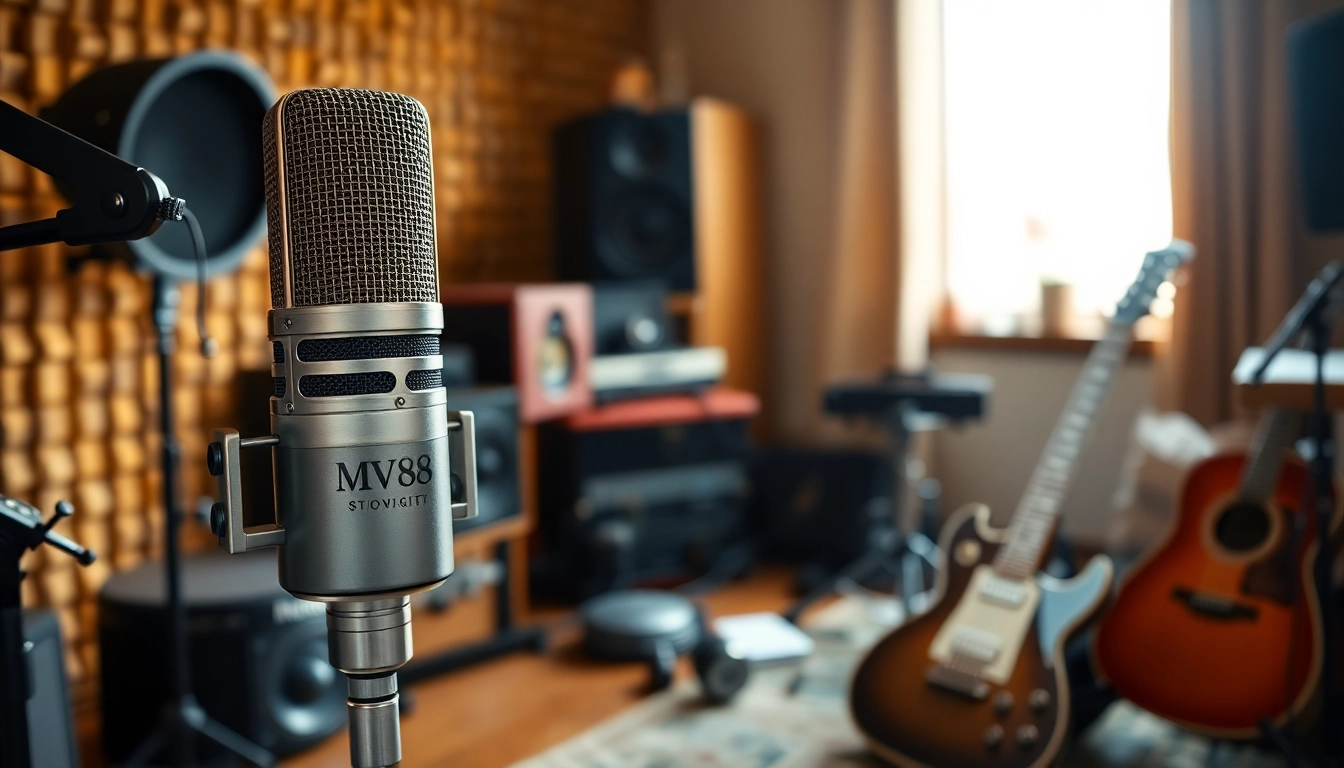
Understanding the MV88 Microphone
The MV88 microphone is a state-of-the-art recording tool that has gained popularity among podcasters, musicians, and content creators. Renowned for its compact design and high-quality audio output, it’s an essential device for anyone serious about sound performance. Whether you’re creating music or capturing podcasts, understanding the features and benefits of the MV88 can significantly enhance your audio quality. This guide will delve into what makes the MV88 unique, its various applications, and its technical specifications. For a hands-on experience, you can explore the MV88 for your audio needs.
What Makes the MV88 Unique?
The MV88 stands out in the crowded market of microphones primarily due to its innovative design and technology. Unlike traditional microphones, the MV88 features a built-in Lightning connector, enabling seamless connection to iOS devices without the need for additional cables or adapters. This feature, combined with its ability to record in stereo, makes it a versatile choice for many users. Furthermore, the MV88 also supports high-definition audio recording at up to 24-bit/48kHz, which caters to professionals who require top-tier audio quality.
Applications for MV88: Who Can Benefit?
The MV88 is not just for professional sound engineers; it easily accommodates a range of users, including:
- Musicians: Performers can use the MV88 to record their rehearsals, instruments, and live performances with pristine quality.
- Podcasters: The compact design and clear audio make it perfect for anyone looking to produce a podcast on the go.
- Video Creators: Filmmakers can enhance the audio quality of their videos, ensuring that the sound is as compelling as the visuals.
- Journalists: Reporters can conduct interviews and record field reports with ease, ensuring their subjects’ voices are captured clearly.
Technical Specifications: Key Features Explained
The MV88 comes equipped with several technical specifications that make it a formidable recording option:
- Stereo Condenser Microphone: The dual-capsule design allows for stereo recordings, providing depth and realism to the sound.
- Adjustable Pickup Patterns: Users can select from multiple patterns, including stereo, cardoid, and bidirectional, catering to different recording environments and applications.
- Frequency Response: With a frequency range of 20 Hz to 20 kHz, the MV88 captures a wide array of sounds, from deep bass to crisp highs.
- Onboard DSP: The digital signal processing feature provides advanced functions such as compression and equalization, enabling immediate enhancement of audio quality during recording.
Setting Up the MV88 at Home
Setting up the MV88 is relatively straightforward, but several considerations can optimize your recording experience. Below are essential insights on equipment, placement tips, and common mistakes to avoid.
Essential Equipment Needed for Optimal Use
To achieve the best audio results when using the MV88, consider the following equipment:
- iOS Device: The MV88 connects directly to iPhones and iPads via the Lightning connector, ensuring compatibility with most Apple devices.
- Tripod or Stand: To reduce handling noise and placement variability, using a tripod or microphone stand will stabilize the MV88 during recording.
- Recording Software: Utilize recording apps such as GarageBand or other DAWs that support the MV88 to harness its full capabilities.
- Windshields: For outdoor recordings, windshields can diminish wind noise and protect the microphone’s integrity.
Placement Tips: Positioning the MV88 for Best Results
Correct microphone placement is crucial for capturing high-quality audio. Here are some tips:
- Distance: Maintain a distance of about 6 to 12 inches from the sound source for optimal volume and clarity.
- Angle: Experiment with the microphone angle; positioning it slightly off-axis can help minimize plosives and sibilance.
- Environment: Choose a quiet location with minimal background noise and echoes to enhance audio quality.
Common Setup Mistakes to Avoid
To ensure a smooth setup process, here are common pitfalls to be mindful of:
- Ignoring Background Noise: Always perform a sound check to identify any background noise that could compromise audio clarity.
- Inadequate Gain Levels: Failing to adjust input gain can lead to recordings that are either too quiet or distorted; always do a test recording first.
- Overlooking Microphone Settings: Be sure to select the appropriate pickup pattern based on your recording environment and subject.
Recording Techniques with the MV88
Mastering audio recording techniques with the MV88 can drastically improve your outcomes. Whether you are tackling voice recording for podcasts or music tracks, following these techniques will yield professional results.
Choosing the Right Environment for Recording
The recording environment can significantly impact audio quality. Here are recommendations for selecting the ideal location:
- Quiet Rooms: If possible, choose a room with thick curtains and carpets to absorb sound reflections and minimize echo.
- Isolated Spaces: Select spaces that are far away from busy streets or household appliances that could create unwanted noise.
- Controlled Lighting: While not directly related to sound, a visually controlled environment can help you focus and produce better audio content.
Microphone Techniques for Different Audiences
Different audience types may require varied approaches to microphone techniques:
- Public Speaking: When recording speeches, ensure that the microphone is positioned at mouth level to maintain consistent audio levels.
- Musical Instruments: For instruments, angle the MV88 towards the sound hole or the amplifying source to capture the best sound quality.
- Interviews: For interviews, keep the microphone equidistant from both speakers to maintain balanced sound levels.
Edit and Enhance Your Recordings for Professional Quality
Creating high-quality recordings isn’t limited to the capture phase. Post-production editing plays a vital role in refining your audio. Follow these steps:
- Noise Reduction: Use software tools to eliminate background noises and enhance vocal clarity.
- Volume Normalization: Adjust levels during post-processing to ensure a consistent and pleasant listening experience.
- Adding Effects: Incorporate effects like reverb and compression sparingly to enrich your audio without overwhelming it.
Comparing the MV88 with Its Competitors
When considering a microphone purchase, it’s wise to compare functionality and features. Here, we observe the MV88 in the context of similar models on the market.
Key Differentiators Against Similar Models
While numerous microphones claim high-quality performance, the MV88 holds a distinct advantage with:
- Lightning Compatibility: Unlike many competitors, it directly connects to iOS devices, simplifying the user experience.
- Built-In DSP: The MV88’s onboard processing features allow real-time effects that many competing products lack.
- User-Friendly App Integration: The ShurePlus MOTIV app offers extensive customization options for recording, enhancing user control.
User Reviews: What Are Customers Saying?
Customer feedback on the MV88 tends to be overwhelmingly positive:
- Audio Quality: Users often praise its superior sound quality, especially when compared to built-in phone microphones.
- Versatility: Many appreciate the adaptability of the MV88 for a variety of uses, from interviews to music.
- Compact and Portable: Users enjoy its lightweight and portable design, making it convenient for travel and fieldwork.
Price vs. Performance: Is It Worth It?
Investing in the MV88 can be seen as a value proposition based on its features and audio quality:
- Cost-Effective: When compared to traditional studio-grade microphones, the MV88 delivers impressive performance at a reasonable price point.
- Durability: Built to last, many users find that the MV88 offers long-term performance that offsets its initial purchase price.
- Quality Output: Users report that the quality of audio recorded with the MV88 exceeds expectations, making it a worthwhile investment.
Maximizing the Impact of The MV88
With the right techniques and strategies, you can maximize the impact of your recordings. Below are insights on enhancing audio quality, marketing your creations, and future trends in microphone technology.
Tips for Enhancing Audio Quality
To take full advantage of the MV88, here are effective tips for improving your audio quality:
- Regular Sound Checks: Make sound checks part of your routine to ensure optimal audio performance before any recording.
- Record in Ideal Conditions: Aim to record in sound-optimized environments that minimize echoes and background noise.
- Experiment with Settings: Take the time to adjust settings like pickup patterns based on recording scenarios to find the perfect fit.
Marketing Your Audio Creations Using the MV88
Once you’ve recorded high-quality audio, effective marketing strategies can amplify your reach:
- Leverage Social Media: Share snippets of your audio on platforms like Instagram, TikTok, and Twitter to engage potential listeners.
- Create a Website: Build a personal website or online portfolio to showcase your audio projects and offer downloadable content.
- Engage in Collaborations: Partner with other creatives or influencers to cross-promote your work and tap into new audiences.
Future Considerations: Advancements in Microphone Technology
The evolution of microphone technology promises exciting advancements to look out for:
- Wireless Connectivity: Future models may feature enhanced wireless technologies that retain quality while offering freedom of movement.
- Integration with AI: New microphones may incorporate AI to optimize audio capture based on real-time environment analysis.
- Sustainability Focus: Expect to see growing trends around eco-friendly materials and sustainable production practices in future models.