1. Understanding Vinyl Flooring Benefits
Vinyl flooring is an increasingly popular choice for homeowners and businesses alike, thanks to its myriad of benefits. For those considering an upgrade or new installation, it's important to understand the advantages this versatile material brings. Not only is it aesthetically appealing, but it is also practical for various applications. One of the major draws for many is its affordability, making it an accessible option for everyone. Exploring vinyl flooring can lead to insights that help in making informed decisions.
A. Durable Material for High Traffic Areas
One of the standout features of vinyl flooring is its durability, which makes it an ideal choice for high traffic areas like hallways, kitchens, and entryways. This flooring material can withstand heavy foot traffic, impacts, and scratches better than many traditional flooring options. Various types of vinyl have been engineered with tough, wear-resistant surfaces that help prevent scuffs, stains, and tears. Brands often offer wear layers ranging from 12 mil to 30 mil, which indicates the material's durability. For instance, thicker wear layers are superb for commercial applications where the risk of damage is substantially higher.
B. Cost-Effective Flooring Solution
Vinyl flooring is known for its exceptional cost-effectiveness. The initial investment is often lower than hardwood or tile, which can significantly favor budget-conscious homeowners. Additionally, the longevity and minimal maintenance costs associated with vinyl flooring make it a sensible investment. With average prices ranging from $2 to $7 per square foot, including installation, many options consistently outperform their more expensive counterparts in terms of utility and longevity.
C. Variety of Design Options Available
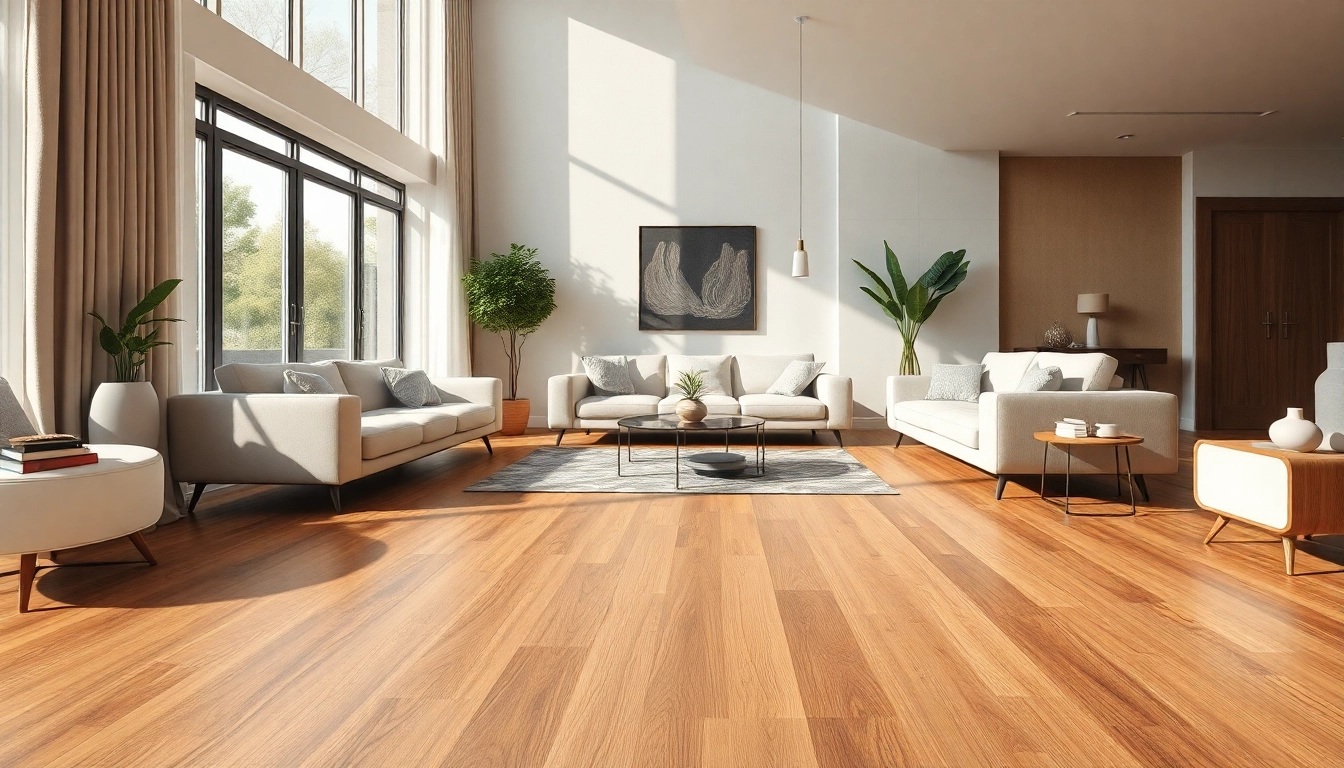
Modern vinyl flooring comes in a plethora of styles, colors, and patterns, allowing for creative freedom in design. This offers consumers the flexibility to simulate high-end materials like wood or stone without the associated costs. Advanced printing technology ensures that designs will not fade over time, maintaining aesthetic appeal for years. Whether your style leans more toward rustic charm, contemporary flair, or minimalist beauty, there’s a vinyl flooring option to suit your interior design vision.
2. Comparing Different Types of Vinyl Flooring
As you explore vinyl flooring, it's essential to understand the different types available and how they compare. This section breaks down the most common types, helping you determine which one might be the best fit for your needs.
A. Luxury Vinyl Plank vs. Tile
Luxury Vinyl Plank (LVP) and Luxury Vinyl Tile (LVT) are the two main categories of vinyl flooring. LVP mimics the look of natural hardwood, while LVT emulates the appearance of ceramic or stone tile. Both types feature a durable construction, but consumers often choose LVP for its warm feel and ease of installation in larger areas. Conversely, LVT may be preferred in spaces like bathrooms and kitchens where a more tile-like aesthetic is desired. The water resistance of LVT makes it suitable for moisture-prone areas, while LVP shines in other spaces thanks to its lower maintenance requirements.
B. Resilient Vinyl Flooring Features
Resilient vinyl flooring is crafted to be exceptionally flexible and supportive underfoot, adding to comfort while walking. This feature is particularly important for those who stand for long periods in kitchens or work settings. Resilient vinyl is also resistant to cracking and fading, reinforcing its longevity. Many products also incorporate noise-reduction elements, making them suitable for multi-level homes or apartments. These features not only enhance comfort but also contribute to a quieter home environment.
C. Waterproof Vinyl Flooring Advantages
One of the most significant advancements in vinyl flooring technology is the development of waterproof options. Waterproof vinyl flooring typically features a solid core, making it impervious to water damage. This characteristic is especially beneficial in spaces that are prone to spills or humidity, such as bathrooms and kitchens. Homeowners can install it without the fear of warping or mold growth that traditional wood flooring may face in similar environments.
3. Installation Process of Vinyl Flooring
Installing vinyl flooring can be a straightforward process, whether undertaken as a DIY project or by a professional. Here’s how to navigate this fundamental aspect of home improvement.
A. Preparing Your Subfloor
Before installation begins, it's crucial to ensure that the subfloor is clean, dry, and level. Uneven surfaces can lead to complications down the line, including cracks or movement in the vinyl. Remove any previous flooring, inspect for moisture or damage, and address any necessary repairs. Making the subfloor smooth can often be accomplished with self-leveling compounds or by sanding down high spots. Ensure all dust and debris are cleared to establish the best foundation for your new flooring.
B. DIY Installation Tips
For those inclined to tackle the installation themselves, begin by familiarizing yourself with the specific vinyl flooring’s installation method—whether it’s glue-down, click-lock, or loose lay. It's advisable to start in the least visible corner of the room and work your way outward. Utilize straight cuts for edges against walls and transitions. A utility knife and a straightedge are essential tools you'll want on hand. Remember to allow the vinyl to acclimate to the room’s temperature and humidity for at least 48 hours prior to installation.
C. When to Hire a Professional
While DIY installation can save money, there are circumstances where hiring a professional is beneficial. For intricate designs, particularly in larger spaces, or if the subfloor requires significant preparation, it may be wise to consult an expert. Additionally, limited experience in handling flooring might lead to mistakes that could compromise the integrity of the installation. Professionals can ensure a flawless finish, utilizing expertise to minimize waste and maximize efficiency.
4. Maintaining Your Vinyl Flooring
Once your vinyl flooring is installed, maintaining its beauty and longevity is essential. Fortunately, care routines are straightforward, making it easier for homeowners to keep their floors looking new.
A. Cleaning Techniques and Best Practices
Regular cleaning can help maintain the luster of vinyl flooring. Using a broom or vacuum to remove loose dirt and debris daily is recommended. For deeper cleaning, a damp mop with a pH-neutral cleaner is effective. Avoid harsh chemicals, especially those that contain bleach or abrasive agents, as they can lead to discoloration or damage. For stubborn stains, a mixture of vinegar and water can be used as a safe and effective cleaning solution.
B. Preventing Damage and Extending Lifespan
To protect your vinyl flooring from scratches, consider placing doormats at entry points and using furniture pads under the legs of heavy furniture. It's also wise to avoid dragging items across the floor, which can mar the surface. Keeping pet nails trimmed can prevent unnecessary scratching. Regularly inspecting for any signs of wear can help you catch and nip potential issues in the bud, allowing for prompt repairs.
C. Avoiding Common Mistakes
One common mistake is neglecting to address spills promptly. While vinyl flooring is water-resistant, it’s not entirely waterproof. Quick cleaning of spills will help prevent water from seeping into seams or edges, leading to potential mold growth. Another mistake is using too much water during cleaning, which can weaken adhesive bonds over time. Follow manufacturer guidelines for maintenance best practices to keep your vinyl flooring intact for years to come.
5. Frequently Asked Questions about Vinyl Flooring
A. Is vinyl flooring suitable for kitchens?
Yes, vinyl flooring is perfect for kitchens due to its water resistance, easy maintenance, and durability against spills and stains.
B. Can vinyl flooring be installed over existing floors?
In many cases, vinyl flooring can be installed over existing floors, provided they are level, clean, and free from moisture issues.
C. How to remove scratches from vinyl flooring?
Minor scratches can usually be buffed out using a soft cloth and a vinyl cleaner. For deeper scratches, a specialized vinyl repair kit may be needed.
D. What is the lifespan of vinyl flooring?
Vinyl flooring can last 10 to 20 years on average, depending on maintenance, quality of installation, and foot traffic levels.
E. Can vinyl flooring be recycled?
Some types of vinyl flooring can be recycled, depending on local recycling facilities. Always check with your local waste management services for options.