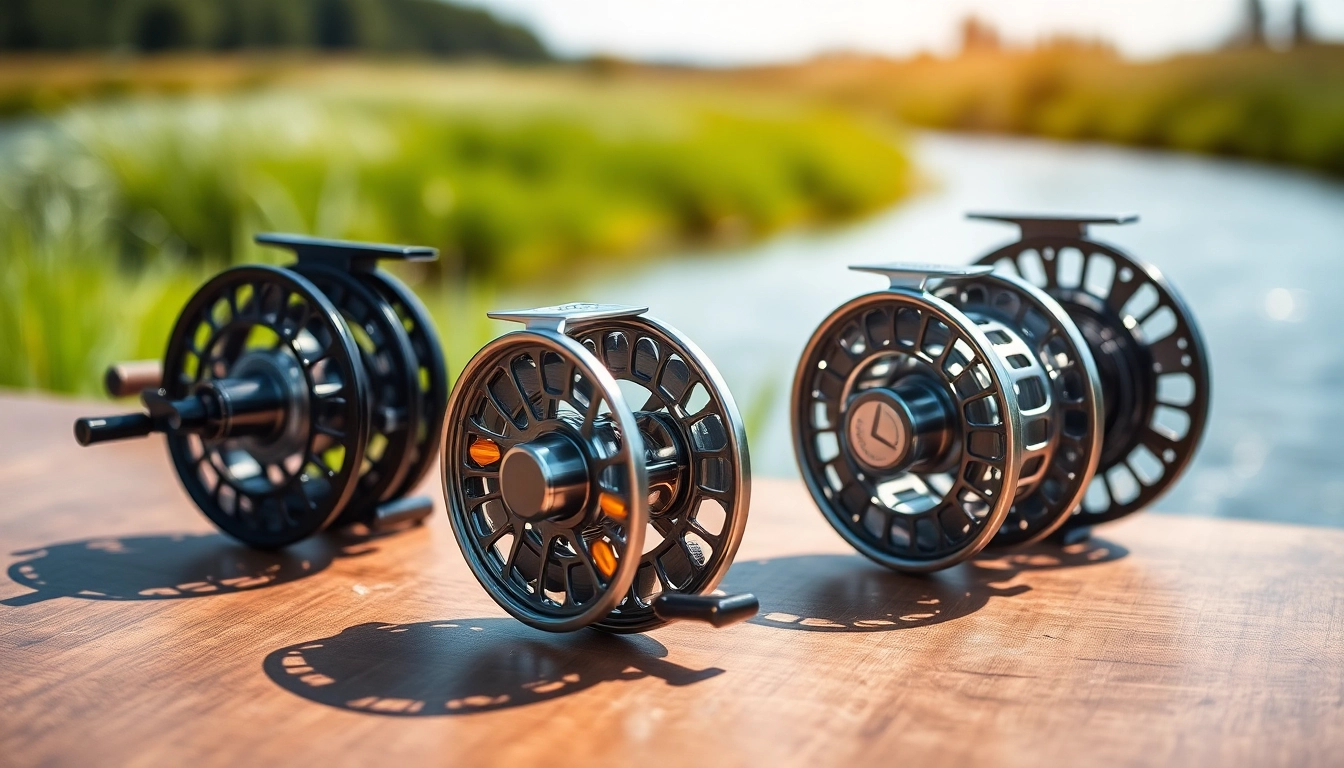
Understanding Fly Fishing Reels
What Are Fly Fishing Reels?
Fly fishing reels are specialized devices used to manage the line while engaging in fly fishing, a method that employs lightweight artificial flies as bait. They are critical tools that help anglers control the fly line, manage drag, and assist in retrieving fish. Unlike conventional fishing reels, fly reels are typically simpler in design but require a finer balance and control due to the nature of fly fishing. A quality reel can enhance your experience, and experts often consider the best fly fishing reels to be those that deliver a smooth performance with minimal maintenance.
Types of Fly Fishing Reels
There are primarily three types of fly fishing reels, each tailored to specific fishing styles and environments:
- Single Action Reels: These reels allow for a direct retrieve mechanism where one turn of the handle results in one rotation of the spool. They're lightweight and ideal for smaller freshwater species.
- Multiplying Reels: Designed for greater line retrieval very efficiently, these reels increase speed but can be more complex to operate. They're suitable for larger saltwater species.
- Disc Drag Reels: Featuring a system that provides consistent tension on the line, disc drag reels are becoming increasingly popular for their benefits in controlling larger, more powerful fish.
How Fly Fishing Reels Work
The operation of fly fishing reels hinges on a few fundamental mechanisms. When casting, the reel stores line and withdraws it smoothly when pulling in fish. The drag system, which governs the resistance an angler feels when a fish runs, plays a pivotal role in allowing an angler to tire out the fish without breaking the line. Understanding these functions will enhance your proficiency during outings. The user must also be familiar with backing, which offers line capacity and helps prevent spooling issues during a catch.
Key Features of the Best Fly Fishing Reels
Drag Systems Explained
The drag system in a fly fishing reel regulates how much resistance a fish feels when pulling on the line, which is crucial for successfully landing a catch. Generally, drag systems are categorized into three main types:
- Click and Pawl: Simple and effective, this system offers a moderate level of resistance ideal for smaller fish.
- Disc Drag: Provides consistent pressure and is adjustable, making it suitable for larger species.
- Micro-Adjustable Drag: Allows for fine-tuning of resistance based on the angler's preference, ensuring optimal engagement during fights.
Material and Construction Quality
The durability, weight, and build quality of a fly reel significantly influence its performance and lifespan. Most high-quality reels are made from materials like aluminum, which balances the need for durability and lightweight performance. Some reels are also constructed using composite materials that resist corrosion, particularly beneficial for saltwater fishing. Investing in a well-constructed reel not only aids in performance but also reduces the risk of gear failure while on the water.
Weight and Size Considerations
Choosing the right weight and size of a fly reel involves matching it with the rod and line being used. Typically, weight classifications range from 1 to 14, designed to fit various fishing scenarios. For example, lighter reels (1-5 weight) are ideal for small streams and trout fishing, while heavier reels (6-14 weight) cater to larger species in more extensive waters. A balanced setup enhances casting efficiency and lessens fatigue over long fishing sessions.
How to Choose the Best Fly Fishing Reels for Your Needs
Assessing Your Skill Level
Your skill level is paramount when selecting a fly fishing reel. Beginners may benefit from simpler, lighter reels with user-friendly drag systems that can help them focus on improving their casting and fishing techniques without being overwhelmed by complex features. Experienced anglers might opt for more advanced reels that provide precise drag adjustments and superior construction quality.
Matching Reels with Rods
A vital aspect of fly fishing is the synergy between your reel and rod. To achieve optimal performance, ensure that your reel’s weight matches that of the rod, allowing for a harmonious casting action. For instance, a 5-weight rod should ideally be paired with a 5-weight reel, as this compatibility affects the balancing and overall handling of the gear.
Price vs. Performance Analysis
When considering a fly fishing reel, it is crucial to conduct a price versus performance analysis. While higher-priced reels often boast advanced features and materials, they are not always necessary for every angler. Analyzing reviews and performance metrics can help you find a reel that meets your requirements without overspending. Balancing these factors will enable you to make an informed decision about which reel to purchase.
Maintenance Tips for Your Fly Fishing Reels
Cleaning Your Reels Properly
Proper maintenance extends the life of your fly fishing reel and ensures optimal performance. After each use, especially in saltwater environments, rinse your reel with fresh water to remove any salt or debris. Use a soft brush to gently scrub off dirt and grime, and ensure you dry it thoroughly before storing. Periodically, refer to the manufacturer's instructions for disassembly and cleaning guidelines to maintain your reel's internal mechanics effectively.
Storage Solutions for Longevity
Storing your fly fishing reels correctly can significantly affect their longevity. Ensure that they are kept in a dry, cool environment to prevent corrosion and damage from humidity. Using protective cases can further shelter them from physical impacts, particularly if you're frequently transporting your gear. Organizers that separate reels and other components also help maintain orderliness and easy access.
Identifying and Fixing Common Issues
Fly fishing reels can encounter several common issues such as line tangling, drag problems, or corrosion. If you experience line tangling, ensure that your line is spooled correctly and avoid overfilling the reel. Drag issues may often stem from dirt buildup, necessitating cleaning and possible lubrication of the drag system. Identifying these issues early helps in maintaining the performance of your reel and enhancing your overall fishing experience.
FAQs About the Best Fly Fishing Reels
What is the best fly fishing reel for beginners?
For beginners, a lightweight reel with a simple drag system is recommended, as these are easier to manage and allow for a focus on casting skills. A 5 or 6-weight reel often balances well with beginner rods.
How much should I spend on a fly fishing reel?
The price for a quality fly fishing reel typically ranges from $50 to $300, but spending around $150 can often yield a solid balance of performance and durability without overextending your budget.
Can I use a spinning reel for fly fishing?
No, spinning reels are not designed for fly fishing. Fly reels specifically manage the lightweight line associated with fly rods and work on entirely different principles for casting.
What maintenance do fly fishing reels need?
Fly fishing reels need regular cleaning after use, especially in saltwater. Periodic inspections and lubrication of moving parts help maintain performance and prolong life.
Are expensive fly fishing reels worth it?
Expensive fly reels often offer advanced materials and features which can improve performance and durability. However, the best choice depends on your fishing style and needs; price doesn't always equate to quality.