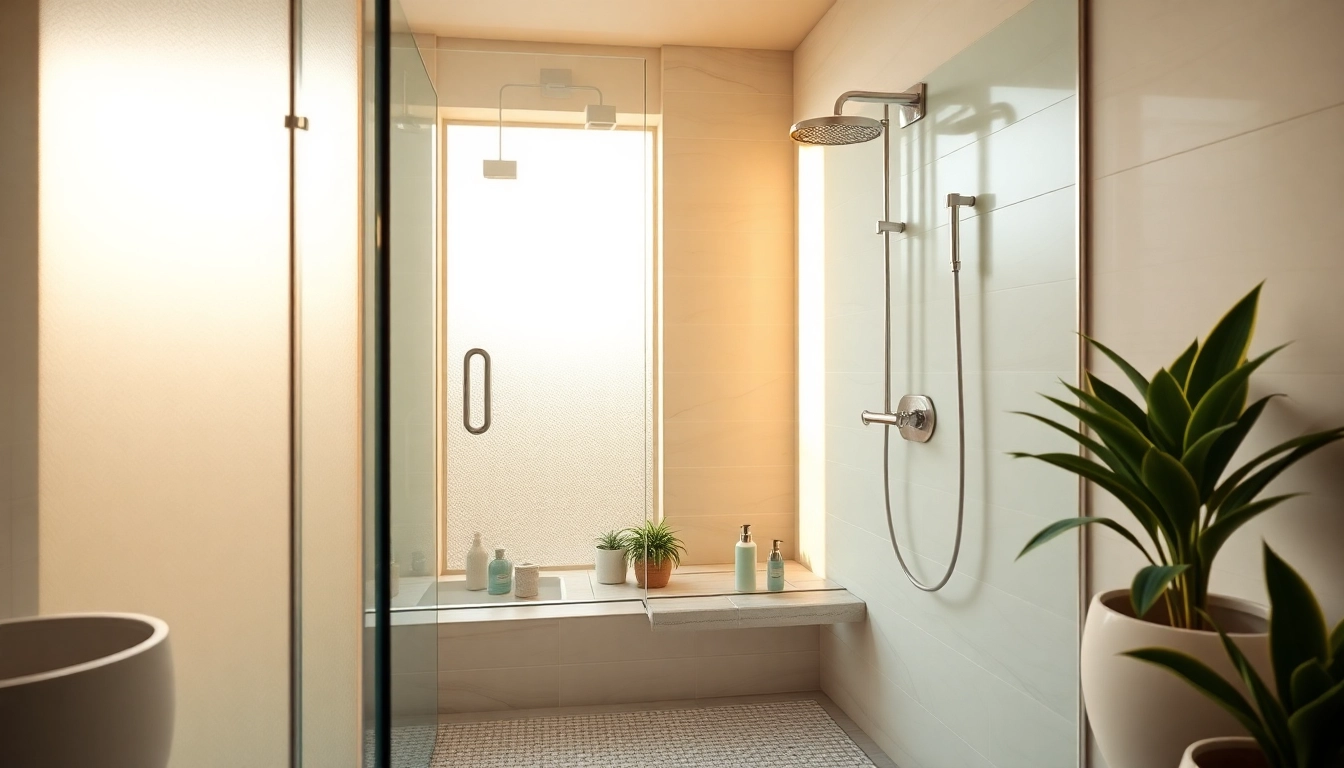
Introduction to Sliding Shower Door Benefits
In modern bathroom designs, the sliding shower door is a preferred choice for many homeowners. Its functionality and aesthetic appeal offer practical advantages that enhance both small and large bathrooms. This article delves into the numerous benefits, design types, material options, installation processes, maintenance tips, and common queries about sliding shower doors to support your decision-making process.
Space Efficiency
One of the primary benefits of sliding shower doors is their space-saving design. Unlike traditional swinging doors that require ample space to open, sliding doors move horizontally along a track, making them ideal for compact bathrooms. This feature not only maximizes floor area but also minimizes the risk of accidentally bumping into the door, providing a more fluid entry and exit experience. Families, especially those with children, may find these doors significantly enhance usability by allowing easier access to the shower without the need to constantly adjust the door’s swing path.
Aesthetic Appeal
Sliding shower doors come in an array of designs – from minimalist frameless glass to more robust framed options. This variety allows homeowners to find a style that complements their bathroom decor. Frameless designs provide a modern, sleek look that can make a bathroom appear larger and more open. In contrast, framed options offer sturdiness and numerous finish choices, appealing to traditional and contemporary tastes alike. The aesthetic versatility of sliding shower doors helps create a cohesive and inviting bathroom space.
Ease of Use
Sliding shower doors are known for their ease of operation. They glide effortlessly along their tracks, providing a seamless transition into the shower. This ease is particularly important for individuals with mobility challenges, as the sliding mechanism doesn’t require much physical exertion. Additionally, the absence of hinges reduces the likelihood of mechanical failure over time. As a result, sliding doors offer a reliable and convenient solution for daily bathing routines.
Types of Sliding Shower Door Designs
Frameless Sliding Shower Door
Frameless sliding shower doors are celebrated for their contemporary aesthetic and sleek appearance. Made entirely of thick tempered glass, these doors provide an unobstructed view of the shower area, enhancing light flow and creating a sense of spaciousness. Installation typically requires specialized hardware, which can be more expensive; however, the elegance they provide is often worth the investment. They are easier to clean since there are no frames to trap grime and water stains, promoting a fresher and cleaner look.
Framed Sliding Shower Door
Framed sliding shower doors, on the other hand, utilize aluminum or steel frames to support the glass. This type is generally more affordable than its frameless counterpart, making it an attractive option for budget-conscious homeowners. The frames are available in various finishes, such as chrome, brushed nickel, or oil-rubbed bronze, allowing for customization to match existing bathroom fixtures. While framed doors may not deliver the same airy feel as frameless designs, they provide added durability and can often accommodate various glass thicknesses.
Bi-fold Sliding Shower Door
The bi-fold sliding shower door is a unique design that combines the functionality of sliding and folding doors. This type features panels that fold in on themselves, offering maximum accessibility while maintaining a minimal footprint. Bi-fold doors are particularly well-suited for corner showers or smaller spaces where traditional sliding doors might be impractical. While some may find their mechanism slightly more complex, their space-saving attributes make them a popular choice in compact bathrooms.
Material Options for Sliding Shower Doors
Glass Types
The glass used in sliding shower doors varies significantly, affecting aesthetics, safety, and maintenance. Clear glass is the most popular choice for its classic look, allowing abundant light into the space. However, frosted or patterned glass options offer enhanced privacy while still enabling light to filter through. Tempered glass, which is four to five times stronger than regular glass, is the preferred material for safety reasons, making it ideal for any bathroom setting. The choice of glass should align not only with style preferences but also with safety considerations.
Frame Materials
Frames for sliding shower doors are commonly made from materials like aluminum, stainless steel, or brass. Aluminum is favored for its lightweight nature and resistance to rust and corrosion. Stainless steel, while heavier, adds a level of durability and a modern aesthetic. Brass frames, often utilized in high-end designs, can offer an ornate touch but may require more maintenance to prevent tarnishing. Ultimately, the choice of frame material will influence the long-term durability and style of the shower installation.
Durability Considerations
When selecting materials for sliding shower doors, durability is paramount. Both glass and frame materials should withstand daily exposure to water and cleaning products without deterioration. Coatings such as clear glass protectants can enhance longevity by reducing the buildup of soap scum and minerals. Considerations for whether to choose framed or frameless doors also impact durability, as the former often offers extra support but the latter may provide a more streamlined look.
Installation Process for Sliding Shower Doors
Preparation Steps
Proper preparation is crucial for a successful sliding shower door installation. First, measure the shower opening to ensure the sliding door is the correct size. This step is vital, as miscalculations can lead to costly errors. Next, gather necessary tools such as a drill, level, and measuring tape. Before installation begins, ensure that the shower area is clean and dry. Lay out all components and familiarize yourself with the manufacturer’s instructions to streamline the process.
Installation Guidelines
Begin the installation by attaching the top track to the wall, ensuring it is level. This track serves as the guiding mechanism for the sliding door. Next, install the bottom track in the shower area; this will hold the door in place while allowing for smooth movement. Once the tracks are in place, hang the doors by inserting the rollers into the top track and securing them to the bottom track. Finally, make adjustments as necessary for a seamless glide of the doors.
Hiring a Professional vs. DIY
Deciding whether to hire a professional or tackle a DIY installation largely depends on your skill level and comfort with home improvement tasks. Hiring a professional can ensure precision and save time, particularly if specialized tools or techniques are required. Conversely, if you possess the necessary tools and skills, a DIY installation can be accomplished with some patience and thorough planning, potentially saving you the cost of labor. Weighing the pros and cons of each option will help you reach a decision that meets your needs.
Maintenance Tips for Sliding Shower Doors
Cleaning Techniques
Regular cleaning is essential to maintaining the clarity and functionality of sliding shower doors. For routine cleaning, a solution of vinegar and water can effectively dissolve soap scum and hard water stains. Avoid abrasive cleaners that can scratch the glass surface. A squeegee used after each shower can help prevent water spots, ensuring your doors remain crystal clear. For metal frames, a soft cloth and mild detergent typically suffice to keep surfaces clean and shiny.
Preventing Mold and Mildew
Mold and mildew thrive in damp environments, such as bathrooms. To prevent their growth, ensure the shower area is well-ventilated. Utilizing exhaust fans and opening windows can significantly reduce moisture. Additionally, regular cleaning with antimicrobial solutions can keep mildew at bay. Ensure that the seals around the sliding doors are intact and replace them if wear becomes apparent, as these areas can be entry points for moisture and mold.
Common Repairs
Though sliding shower doors are durable, they may require occasional repairs. Common issues include misalignment, which can usually be fixed by adjusting the rollers. If the glass becomes cracked or chipped, it may require replacement rather than repair. Additionally, if the tracks are damaged, they should be replaced to prevent further complications. A well-maintained sliding shower door can last a long time, but proactive repairs are crucial for extending its lifespan.
Frequently Asked Questions
How much do sliding shower doors cost?
The cost of sliding shower doors can vary widely, generally ranging from $700 to $2,000, depending on the design, material, and customization options. Installation costs may be additional.
Are sliding shower doors suitable for small bathrooms?
Yes, sliding shower doors are ideal for small bathrooms as they do not require space to swing open. Their design maximizes accessibility and minimizes clutter.
How do I clean sliding shower doors?
To clean sliding shower doors, use a solution of vinegar and water or a mild glass cleaner. Applying a squeegee after each use can prevent water spots and stains.
Can I install sliding shower doors myself?
Yes, if you have the proper tools and experience, you can install sliding shower doors yourself. However, hiring a professional can ensure a perfect fit and finish.
How can I prevent mold growth on my shower doors?
Prevent mold growth by ensuring good ventilation in your bathroom, regularly cleaning, and maintaining proper seals around the doors. Using antimicrobial products can also help.