
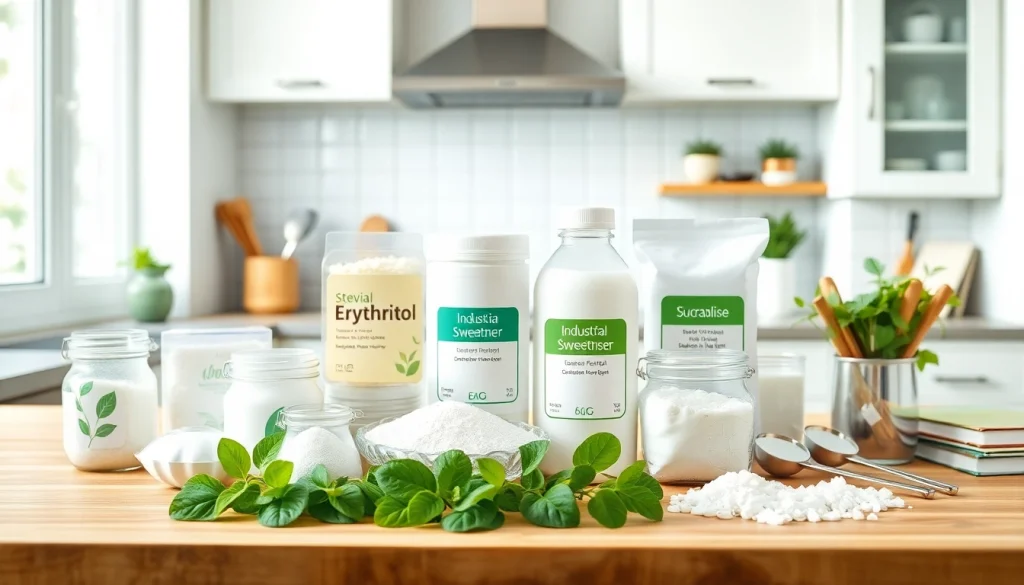
Understanding Industrial Sweetener
In an age where nutritional consciousness is growing, the role of sweeteners in the food and beverage industries is evolving rapidly. An industrial sweetener is crucial in this transformation, offering a way to enhance flavor without the calories associated with traditional sugars. This comprehensive guide explores the workings behind these sweeteners, types commonly used, and their applications within various sectors.
The Science Behind Sweetness
Sweetness is perceived through taste receptors on the tongue that respond to specific molecules, primarily sugars and sweeteners. While traditional sugar (sucrose) has long been used, its alternatives often provide much higher sweetness levels with significantly lower caloric content. Understanding how these sweeteners interact with our taste receptors is essential for manufacturers looking to craft products that cater to health-conscious consumers.
Popular Types of Industrial Sweetener
The market for industrial sweeteners includes a diverse array of options, each with unique characteristics:
- Sucralose: Known for its stability under heat, sucralose is often used in baked goods and beverages. It is approximately 600 times sweeter than sugar, allowing for minimal quantities to achieve desired sweetness.
- Stevia: A plant-derived sweetener that has gained popularity for its natural origins. It has no calories and is significantly sweeter than sugar, making it a favorite among those seeking healthier options.
- Erythritol: This sugar alcohol is unique in that it contains fewer calories than other sugar alternatives and is absorbed by the body without significant metabolic impact. It is well-suited for sweetening foods without contributing to blood sugar spikes.
- Aspartame: A low-calorie sweetener that is widely used in diet sodas and low-calorie foods. Despite its controversial history, it remains a popular choice for replication of sugar-like taste.
- Agave Nectar: Though often considered healthier due to its natural origin, it is high in fructose, which can be counterproductive in moderation.
Applications in Food and Beverage Industry
Industrial sweeteners are pivotal across multiple sectors in the food and beverage industry. Their ability to provide sweetness without the extra calories has spurred innovation:
- Beverages: Soft drinks, energy drinks, and enhanced waters heavily utilize industrial sweeteners for reducing caloric content while maintaining flavor.
- Baking: Sucralose and erythritol are increasingly used to replace sugar in recipes, offering sweetness with fewer calories while allowing products to retain texture and taste.
- Dairy Products: Low-fat and diet yogurts frequently incorporate these sweeteners to improve flavor without contributing significantly to caloric intake.
- Confectionery: The candy industry uses various sweeteners to create lower-calorie options, appealing to consumers looking to indulge without the guilt.
Choosing the Right Industrial Sweetener
Selecting the appropriate industrial sweetener involves considering various factors that affect taste, health, and cost.
Factors to Consider: Taste and Functionality
Not all sweeteners are created equal; flavor varies significantly among types. For instance, stevia may impart a slight aftertaste, while sucralose provides a more sugar-like taste. Manufacturers must conduct taste tests to evaluate how different sweeteners perform in their specific products while considering their stability during processing and storage.
Health Considerations and Nutritional Profiles
Health impacts vary significantly across sweeteners. While sugar is known to contribute to weight gain and tooth decay, alternatives like erythritol provide sweetness without the same caloric burden or dental issues. Some consumers may also have sensitivities to artificial sweeteners, requiring careful selection based on customer demographic information and preferences.
Cost-Effectiveness and Supply
The cost of sweeteners varies widely based on sourcing and processing methods. Bulk purchasing can mitigate costs, but manufacturers need to balance price with quality and customer expectations. Regular market analysis can help businesses identify the most cost-effective solutions that do not compromise on taste or health standards.
Market Trends in Industrial Sweetener
The industrial sweetener market is evolving, influenced by consumer trends and technological advancements.
Growing Demand for Natural Sweeteners
There has been a marked shift toward natural sweeteners in recent years, driven by consumer awareness surrounding health and wellness. Products like stevia and monk fruit are increasingly in demand, prompting manufacturers to seek out alternatives that align with this trend.
Innovations in Sweetener Technology
Technological advancements have opened new avenues for sweetener development, allowing producers to create blends that combine multiple sweeteners for improved taste profiles. Innovations such as fermentation technology are also providing pathways to develop new sweetener types that cater to specific dietary needs.
Impact of Regulations on Industrial Sweetener
Regulatory scrutiny surrounding food additives impacts the industrial sweetener market. As studies emerge regarding long-term health impacts, it is vital for manufacturers to stay updated with regulatory changes that may affect availability and public perception. Compliance with safety standards and transparent labeling is crucial for maintaining consumer trust.
Benefits of Using Industrial Sweetener
The advantages of incorporating industrial sweeteners extend beyond just flavor enhancement; they align with growing health consciousness and dietary needs.
Enhancing Flavor Profiles in Products
Quite simply, industrial sweeteners enhance the flavor profile of foods, making them taste better while fitting into modern dietary preferences. They enable lower-calorie formulations, which are essential for health-focused consumers.
Reducing Sugar Intake: Health Benefits
With rising concerns over sugar consumption, industrial sweeteners provide critical solutions for maintaining enjoyment of sweet flavors without the associated health risks. They are particularly vital for diabetics and those managing weight, leading to broader acceptance in food production.
Versatility Across Food Applications
The adaptability of industrial sweeteners makes them ideal for a wide range of products—from beverages and baked goods to sauces and dressings. This versatility is one reason they have become integral to product development within the food industry.
Frequently Asked Questions About Industrial Sweetener
What is the best industrial sweetener for baking?
Sucralose and erythritol are often favored for baking due to their heat stability and sugar-like sweetness, allowing for accurate replication of traditional recipes.
Are industrial sweeteners safe for consumption?
Yes, most industrial sweeteners are considered safe when consumed within established guidelines. However, individual responses to specific sweeteners can vary.
How do different industrial sweeteners compare in sweetness?
Sweetness varies widely; for example, sucralose is about 600 times sweeter than sugar, while stevia and other natural sweeteners range from 50 to 300 times sweeter.
Can industrial sweeteners affect health negatively?
In some cases, excessive consumption can lead to digestive issues or other health impacts. It is essential to consume them in moderation as part of a balanced diet.
What are the cost differences among industrial sweeteners?
Costs vary significantly based on the type, sourcing, and processing methods. Bulk purchasing can reduce costs, but quality and taste must remain a priority.