
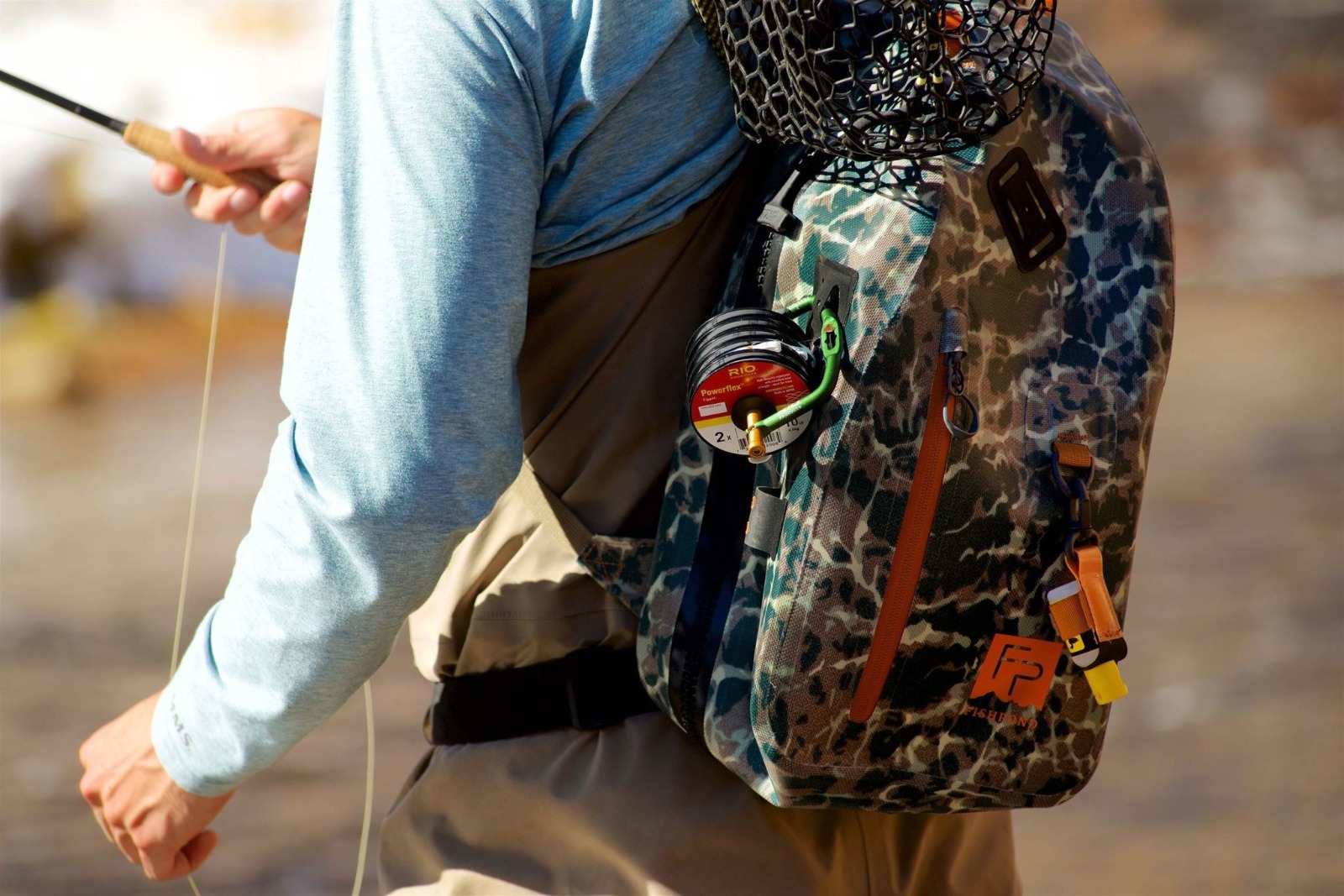
A well-packed Fly fishing bag can make the difference between an average day on the water and an exceptional fly fishing adventure. Whether you're a beginner or a seasoned angler, having the right gear at your fingertips ensures efficiency, comfort, and the best chances for a successful catch. Understanding what to carry in your fly fishing bag not only prepares you for unexpected challenges but also enhances your overall fishing experience.
Understanding the Importance of a Fly Fishing Bag
The fly fishing bag is more than just a storage solution; it’s a portable toolbox that keeps your gear organized, accessible, and protected. Selecting the right bag and filling it with essential items allows anglers to respond quickly to changing conditions on the water. From tackle to safety equipment, every item serves a specific purpose.
Choosing the Right Fly Fishing Bag
When selecting a fly fishing bag, consider size, durability, and comfort. Backpack-style bags are ideal for wading in rivers, while sling or shoulder bags offer quick access for shorter trips. Look for water-resistant materials, multiple compartments, and adjustable straps to ensure both protection and convenience.
Essential Tools and Gear
A well-prepared fly fishing bag contains a mix of tools that keep you organized and ready for any situation. These items are essential for casting, tying, and landing fish effectively.
Fly Rod and Reel Accessories
Even though your rod and reel are carried separately, accessories such as spare lines, leaders, and tippet material are vital. A fly fishing bag should include:
- Spare leaders and tippets: To adapt to varying fish sizes and water conditions.
- Line dressing and floatant: Keeps your fly line performing optimally.
- Strike indicators: Useful for detecting subtle bites in still water.
Fly Selection
Carrying a diverse selection of flies is key to matching the hatch. Organize them in waterproof fly boxes to prevent damage. Essential types to include:
- Dry flies for surface feeding fish.
- Nymphs for subsurface fishing.
- Streamers for larger predatory fish.
Tools for Handling Fish
Handling fish carefully ensures both your safety and the fish's survival. Include in your fly fishing bag:
- Forceps or pliers: For safe hook removal.
- Hook sharpeners: Keep your hooks razor-sharp.
- Landing net: Especially for larger fish or catch-and-release fishing.
Safety and Navigation Essentials
Being prepared for unexpected circumstances is critical when spending long hours in nature. Your fly fishing bag should include:
- First aid kit: To treat minor injuries promptly.
- Personal flotation device (if wading in deep water): Safety first.
- Map, compass, or GPS device: For navigation in unfamiliar areas.
Clothing and Protection
Weather conditions on rivers and streams can change rapidly. Pack lightweight, waterproof, and UV-protective clothing. Essentials include:
- Waders and wading boots for comfort and safety.
- A wide-brimmed hat and sunglasses to reduce glare and protect against sunburn.
- Gloves for handling fish or cold water.
Comfort and Convenience Items
Even with all the technical gear, comfort matters. A fly fishing bag should also carry items that enhance your experience without adding unnecessary weight. Consider including:
- Water bottle or hydration pack: Staying hydrated is critical during long fishing sessions.
- Snacks or energy bars: Lightweight nutrition keeps your energy up.
- Multi-tool or knife: Useful for cutting lines, opening packages, or minor repairs.
- Notebook and pen: Record observations about water conditions, hatches, and successful flies.
Maintenance and Cleaning Supplies
Proper care of your gear ensures longevity and performance. Include basic maintenance items in your fly fishing bag:
- Line cleaner and reel oil: To maintain smooth operation.
- Microfiber cloth: To wipe rods, reels, and sunglasses.
- Small brush: For cleaning waders or boots after muddy or sandy conditions.
Packing Tips for Maximum Efficiency
Organizing your fly fishing bag efficiently saves time and reduces frustration on the water.
- Group similar items together in smaller pouches or compartments.
- Keep frequently used items, like tippet material and forceps, in easily accessible pockets.
- Avoid overpacking; only carry essentials to maintain mobility and comfort.
Conclusion: Elevate Your Fly Fishing Experience
A well-prepared fly fishing bag is the cornerstone of any successful angler's outing. By carefully selecting and organizing your gear, from flies to safety equipment, you can focus on what truly matters—enjoying the water and connecting with nature. Remember, preparation is not just about convenience; it’s about increasing your chances of a successful, enjoyable, and safe fly fishing adventure. Equip your fly fishing bag thoughtfully, and every cast will bring you closer to both skill mastery and memorable experiences on the water.