
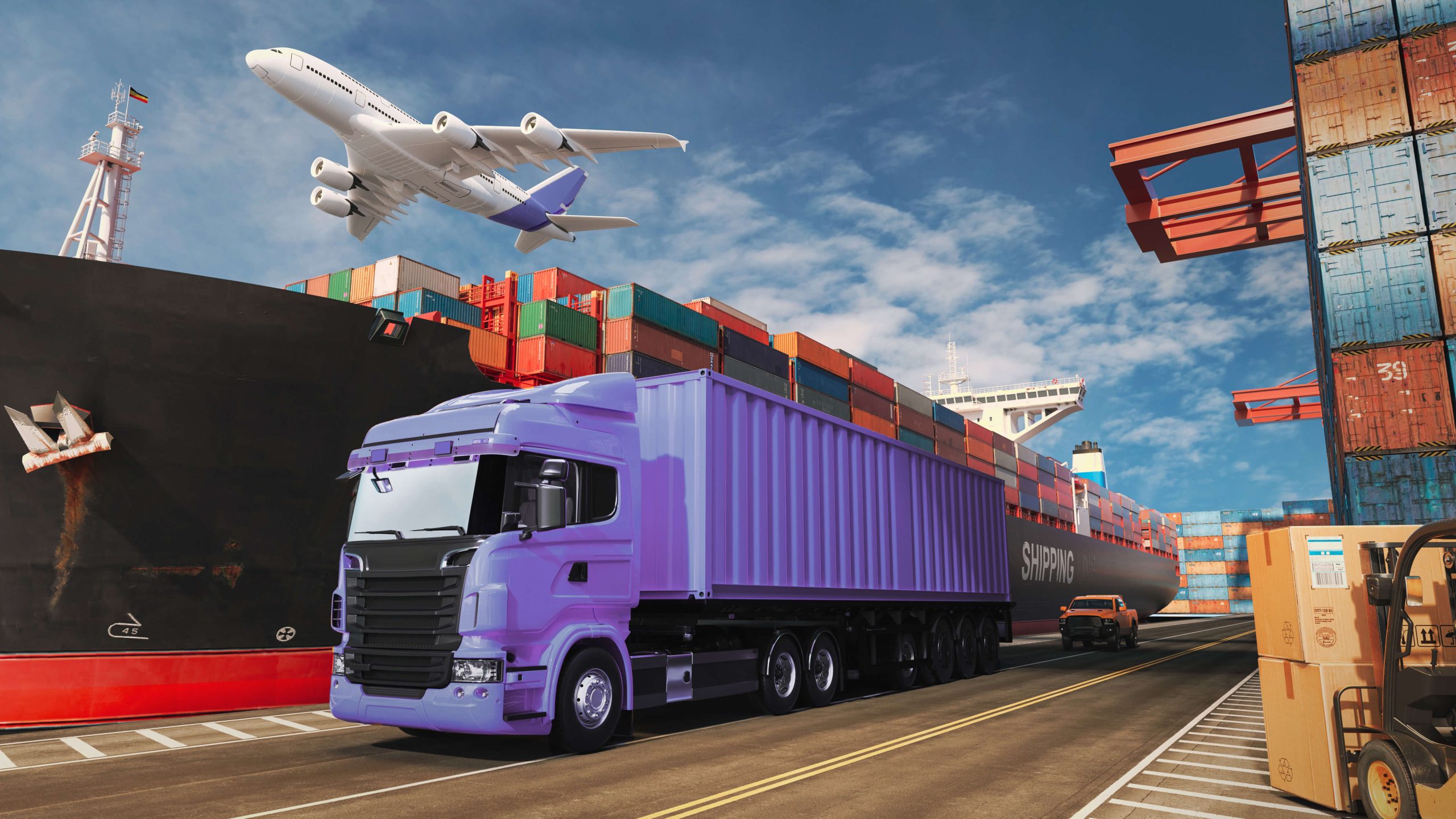
The Importance of Transportation in Urban Design
Transportation is a cornerstone of urban development, shaping how cities function and grow. It aids in economic progress, connecting individuals and communities, and influencing decisions related to land use and urban planning. Furthermore, the integration of effective transportation systems is essential for fostering social equity and environmental sustainability. Understanding the full spectrum of transportation's implications helps plan cities that are not only efficient but also resilient and inclusive.
Understanding Transportation Needs
Assessing transportation needs is vital for urban planners and policymakers. Studying demographic patterns, traffic flows, and environmental concerns allows for a nuanced understanding of where transportation is needed most. Public hearings and surveys can provide qualitative insights, while quantitative data gathered from traffic studies helps identify high-demand areas. Understanding transportation needs also involves recognizing different user groups including commuters, students, the elderly, and individuals with disabilities. Through comprehensive needs assessments, cities can prioritize infrastructure development to cater to the most pressing requirements.
Integration of Transportation Systems
Integration refers to the harmonious operation of various modes of transport, such as buses, trains, bicycles, and pedestrian pathways. A well-integrated transportation network ensures that different systems work together smoothly, enhancing connectivity and accessibility.
A practical example includes implementing multimodal transport hubs where users can seamlessly transition from one mode to another. Cities like Amsterdam exemplify this, as their bike-sharing programs work alongside public buses and trains. This approach not only streamlines the transportation process but also reduces carbon emissions and traffic congestion, aligning with sustainability goals.
Challenges in Urban Transportation Planning
Urban transportation planning faces numerous challenges, including funding limitations, political constraints, and ever-changing technology. One of the most significant concerns is financial viability—many transportation projects do not generate sufficient revenue to offset their costs, leading to budget shortfalls.
Additionally, political interests often override data-driven decisions, resulting in transportation solutions that do not genuinely address the needs of the community. Finally, technological advancements may outpace regulatory environments, leading to confusion around new modes of transport, such as electric scooters and ride-sharing services. Overcoming these hurdles requires proactive engagement, stakeholder collaboration, and innovative problem-solving.
Modes of Transportation: An Overview
Understanding the different modes of transportation is crucial for developing effective urban mobility strategies. Each mode offers distinct advantages and limitations, impacting urban planning and community connectivity.
Public vs. Private Transportation
Public transportation systems such as buses, trains, and trams are integral for reducing traffic congestion and emissions. They provide affordable travel options, especially for lower-income residents. Conversely, private transport—primarily cars—offers convenience and flexibility, with the potential downside of worsening congestion and pollution.
Studies show that societies with robust public transportation networks tend to experience less traffic-related issues. For instance, cities like Tokyo effectively manage hundreds of thousands of daily commuters via a sophisticated public transport system, significantly reducing the reliance on private cars.
Innovative Transportation Technologies
Emerging technologies are revolutionizing transportation with innovations such as ridesharing, autonomous vehicles, and electric scooters. Ridesharing platforms like Uber and Lyft provide flexible travel solutions that can reduce the need for vehicle ownership, thereby decreasing traffic congestion in urban areas.
The rise of electric and autonomous vehicles exemplifies significant advancements in transportation technology. These vehicles promise not only efficiency but also reductions in greenhouse gas emissions. Industry leaders, such as Tesla, are spearheading developments that could lead to widespread adoption of self-driving cars within the next decade, fundamentally altering urban mobility landscapes.
The Role of Sustainable Transportation
Sustainable transportation emphasizes reducing environmental impacts while meeting mobility needs. Prioritizing public transit, cycling, and walking can offer substantial benefits, including lower greenhouse gas emissions and improved public health outcomes.
Case Study: The implementation of bike-sharing systems in cities like Paris resulted in a significant increase in urban cycling. Infrastructure improvements, such as dedicated bike lanes and parking facilities, contributed to a culture of cycling, lessening reliance on motor vehicles and enhancing air quality.
Improving Accessibility in Transportation
Accessibility in transportation ensures that everyone, irrespective of age, ability, or socioeconomic background, can participate in the urban environment. This aspect is increasingly recognized as essential for fostering inclusive urban communities.
Transportation Services for Seniors
Seniors often face mobility challenges that can hinder their independence and access to essential services. Diverse programs ranging from door-to-door transportation services to community shuttle systems are crucial for addressing these challenges.
For instance, volunteer-driven transport programs can effectively cater to the needs of seniors, ensuring access to healthcare, grocery shopping, and social activities. Community-based services, such as those offered by local transport authorities, can work in tandem with nonprofits to enhance the mobility of older populations, thereby promoting social inclusion.
Adapting Urban Transport for Disabled Individuals
Urban transportation systems must be designed with inclusivity in mind to serve individuals with disabilities effectively. This could involve improving physical infrastructure, such as installing ramps and elevators or deploying accessible transportation vehicles.
Technological advancements also play a pivotal role in creating inclusive transport systems. Innovative solutions, like accessible mobile applications that provide real-time information about transportation options, can empower disabled individuals to navigate urban environments independently.
Community Engagement in Transportation Solutions
Community involvement in transportation planning fosters transparency and ensures that solutions are tailored to meet local needs. By engaging stakeholders through public forums, surveys, and collaborative planning processes, urban planners can gather diverse perspectives that contribute to more effective transportation solutions.
Participatory design initiatives encourage communities to envision the transportation system they desire, leading to improved buy-in and successful implementation. Cities that actively engage their residents often experience greater satisfaction with public services and enhanced transportation equity.
Future Trends in Transportation
The transportation landscape is evolving rapidly, driven by technological innovation and changing societal needs. Keeping pace with these trends is crucial for urban planners aiming to create sustainable and efficient transportation networks.
Impact of Autonomous Vehicles
Autonomous vehicles have the potential to revolutionize urban transportation. By eliminating human error, these vehicles could dramatically reduce traffic accidents and improve road safety. Additionally, self-driving cars could transform urban design by reducing the need for expansive parking spaces, allowing cities to repurpose land for parks, housing, or commercial use.
However, the introduction of autonomous vehicles also raises critical challenges regarding regulation, infrastructure adaptation, and social equity. Urban planners must work proactively to address these issues, ensuring that all community members benefit from advancements in technology.
Smart Transportation Systems
Smart transportation systems leverage real-time data and technology to enhance the efficiency and safety of urban mobility. Technologies such as traffic management systems, intelligent signaling, and adaptive signal control can significantly reduce congestion and improve transit reliability.
Moreover, these systems can provide valuable insights into travel patterns, helping authorities make informed decisions on infrastructure improvements. For instance, cities implementing smart traffic optimization technologies have reported reductions in commute times and emissions, showcasing the potential of data-driven transportation strategies.
Adoption of Eco-Friendly Alternatives
There is a growing trend towards eco-friendly transportation alternatives, including electric public transit options and more significant investments in bicycle and pedestrian infrastructure. City initiatives to facilitate electric vehicle charging stations and promote shareable mobility options are becoming commonplace.
Moreover, the integration of green technology in public transportation fleets not only serves to enhance air quality but also aligns with climate action goals set at local and global levels. Cities like San Francisco are spearheading initiatives to transition public transport to zero-emission fleets, demonstrating a commitment to sustainability and environmental responsibility.
Best Practices for Transportation Management
Effective transportation management leads to more organized, efficient, and sustainable urban mobility solutions. Practicing rigorous performance metrics can aid decision-makers in assessing the success of transportation strategies.
Performance Metrics for Transportation Efficiency
Establishing clear performance metrics helps transportation managers evaluate system efficiencies and identify areas needing improvement. Common metrics include travel time delays, ridership levels, and customer satisfaction ratings. Utilizing these metrics can assist in pinpointing problematic zones that may require infrastructure upgrades or service enhancements.
Additionally, performance data on modal shares helps in understanding the usage trends among different transportation options, guiding future investments towards more utilized modes, ultimately leading to a more balanced transport ecosystem.
Case Studies of Successful Transportation Initiatives
Reviewing effective transportation initiatives helps to extract valuable lessons for future projects. For instance, the introduction of the congestion charge zone in London not only incentivized a shift towards public transport but also led to a sharp reduction in traffic and improved air quality in the city. Another notable example is the expansion of the Seoul Metropolitan Subway, promoting increased ridership and decreased reliance on private vehicles.
These case studies underscore the importance of adaptive planning, strong public support, and a focus on long-term sustainability goals. Examining successful programs fosters innovation and inspires replicable models in other urban contexts.
Partnerships Between Public and Private Sectors
Collaboration between public and private sectors leads to more robust transportation solutions. Public agencies often lack sufficient funding and resources, which private companies can complement through innovative services and technologies.
For example, public-private partnerships (PPPs) can facilitate infrastructure development, where private firms take on the financial burden of enhancing transport systems in exchange for project returns. Cities pursuing these partnerships must ensure that public interests are prioritized while allowing private entities to use their expertise in transport management and innovation.