Overview of the Manaslu Circuit Trek
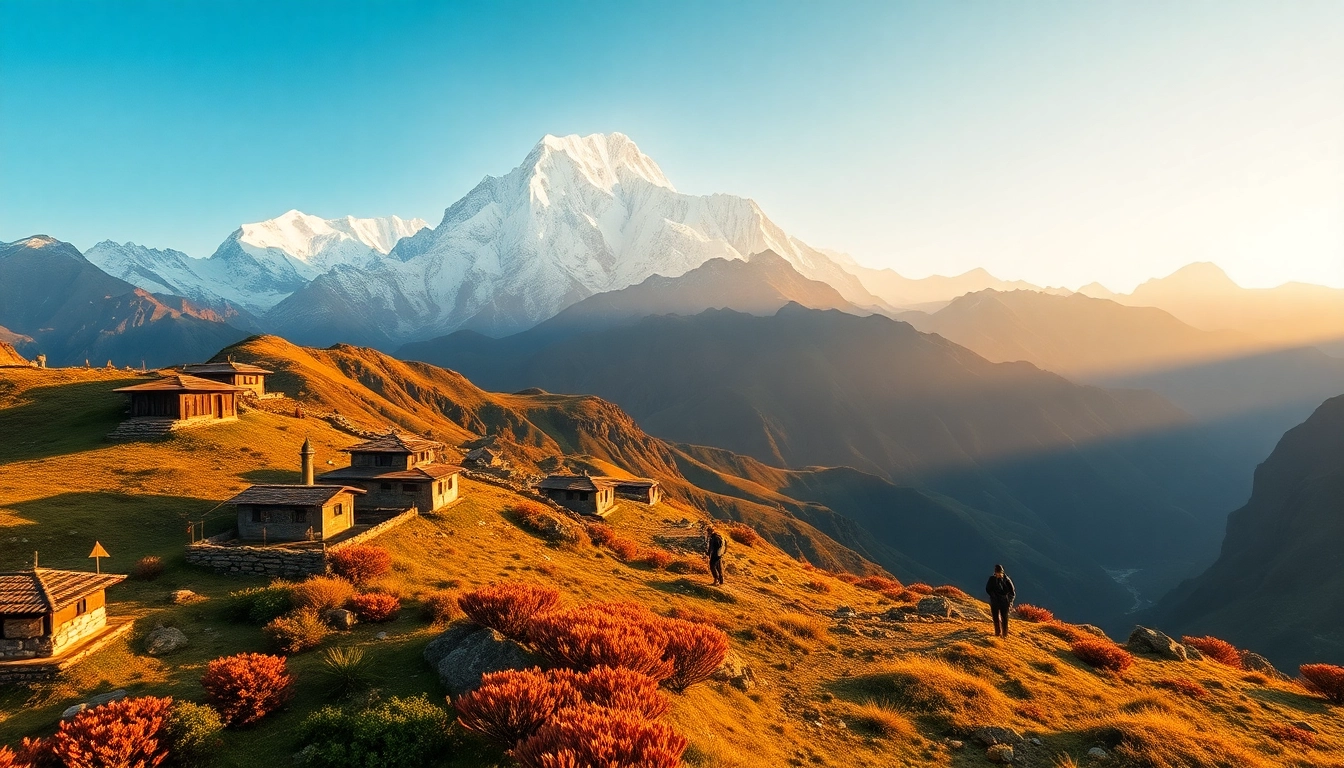
The Manaslu Circuit Trek is an exhilarating journey through one of Nepal’s most rugged and remote regions. Situated in the Gorkha District, this trek is becoming an increasingly popular alternative to the more frequented Annapurna Circuit. With stunning views of the eighth-highest mountain in the world, Mount Manaslu, it offers trekkers a unique blend of cultural experiences, breathtaking natural beauty, and challenging trails. As you navigate through picturesque villages, hear the soothing sound of cascading rivers, and climb to high mountain passes, the Manaslu Circuit promises an adventure of a lifetime. When exploring options, manaslu circuit provides comprehensive insights into this remarkable trekking experience, making it a must for every trekking enthusiast.
What is the Manaslu Circuit?
The Manaslu Circuit Trek is a challenging trek that encircles Mount Manaslu. Known for its stunning vistas and rich cultural heritage, the trek offers a unique opportunity to experience the authentic lifestyles of the Gurung and Tibetan communities residing in the region. This trek is characterized by its remote trails, diverse landscapes, and the spirit of adventure that awaits those willing to explore it.
Key Highlights and Attractions
- Larkya La Pass: At an elevation of 5,160 meters, this high pass offers magnificent views of the Manaslu range and surrounding peaks.
- Birendra Lake: A stunning glacial lake near Samagaon that provides a perfect spot for acclimatization and breathtaking photography.
- Cultural Experiences: Engage with the local communities in villages like Samagaon and Lho, where Tibetan Buddhism influences daily life.
- Budi Gandaki River: Follow this river throughout your trek, enjoying its scenic beauty and the lush landscapes that surround it.
- Chortens and Mani Walls: Experience the spiritual aspects of the trek by passing numerous chortens and mani walls that pepper the trail.
Why Choose the Manaslu Circuit Trek?
The Manaslu Circuit Trek is ideal for those looking to escape the crowds typical of other trekking routes in Nepal. It offers an immersive experience in nature, breathtaking views, and an insight into the rich cultural tapestry of the region. Additionally, as a controlled trekking area, it promotes responsible tourism, ensuring minimal environmental impact while maximizing the benefits to local communities.
Detailed Itinerary for the Manaslu Circuit Trek
15-Day Trek Breakdown
The Manaslu Circuit Trek typically spans 15 days, with each day carefully crafted to ensure trekkers acclimatize properly while enjoying the stunning landscapes. The itinerary includes driving from Kathmandu to Machha Khola, followed by a series of treks through villages like Jagat, Namrung, and Lho, culminating at Bimthang before heading back down to Dharapani.
Accommodation and Meal Plans
During the trek, accommodation is primarily provided in local teahouses, which offer basic amenities and a chance to experience local hospitality. Most meals are included in the trekking package, featuring local cuisine such as rice, lentils, and various vegetable dishes. Trekkers are encouraged to try local specialities, which often feature garlic, a staple known to aid acclimatization.
Daily Activity Overview
On a typical day, you can expect to hike approximately 6-8 hours, depending on the terrain and segment of the trek. The days are structured to include adequate breaks for meals and rest, allowing trekkers to acclimatize and enjoy the surrounding beauty.
Preparation and Packing for the Manaslu Circuit
Essential Gear and Equipment
Proper gear is crucial for a successful Manaslu Circuit Trek. Essential items include:
- Trekking Boots: Durable, comfortable, and waterproof boots are a must.
- Layers of Clothing: Prepare for varying temperatures; layering is key for adjusting to changes.
- Daypack: A small backpack for day essentials such as water, snacks, and a first-aid kit.
- Sleeping Bag: A good-quality sleeping bag rated for cold temperatures is essential, especially for higher altitudes.
- First Aid Kit: Include personal medications and basic first-aid items to manage small injuries or illnesses.
Physical Fitness and Training Tips
Physical conditioning is an essential part of preparing for the Manaslu Circuit. Recommended activities include:
- Cardiovascular Exercises: Running, cycling, or swimming to build stamina.
- Strength Training: Focus on leg and core strength to help with hiking up steep trails.
- Hiking Practice: Gain experience by trekking on varied terrains, ideally with a loaded backpack.
Common Misconceptions about Trekking
Many believe that trekking in Nepal is only for the super-fit; however, with proper preparation and pacing, individuals of various fitness levels can successfully complete the Manaslu Circuit. It’s crucial to listen to your body and allow adequate time for acclimatization.
Navigating Costs and Logistics for the Manaslu Circuit
Budgeting for Your Trek
The cost of the Manaslu Circuit Trek can vary based on factors such as the trekking agency, season, and included services. A general range is between $1,500 and $2,500 per person for the full package that includes permits, accommodations, meals, and guide services.
Permits and Booking Information
Several permits are required for trekking in the Manaslu region, including the Manaslu Conservation Area Permit (MCAP), the Restricted Area Permit (RAP), and the Trekkers’ Information Management System (TIMS) permit. Ensure you book through a registered trekking agency that can help facilitate these permits.
Transportation to and from the Circuit
Traveling to the start point of the trek in Machha Khola typically requires a private vehicle or bus from Kathmandu, followed by a long drive through scenic terrain. The return journey from Dharapani to Kathmandu entails a similar mode of transport, providing breathtaking views along the way.
Health and Safety Considerations on the Manaslu Circuit
Altitude Sickness Awareness
As with any high-altitude trek, altitude sickness is a significant concern on the Manaslu Circuit. Trekkers should be prepared by being aware of symptoms such as headaches, nausea, and dizziness. It’s essential to ascend gradually and allow time for acclimatization.
Emergency Procedures and First Aid
It’s advisable to trek with a guide who is trained in first aid and emergency procedures. Guides should have essential equipment, including a portable altitude chamber (PAC) in case of severe altitude sickness, ensuring prompt action can be taken if needed.
Working with Guides and Staff
Hiring a local guide not only enriches your trekking experience but also enhances safety. Guides can help you navigate the trails, communicate with locals, and manage any potential issues that arise during the journey.